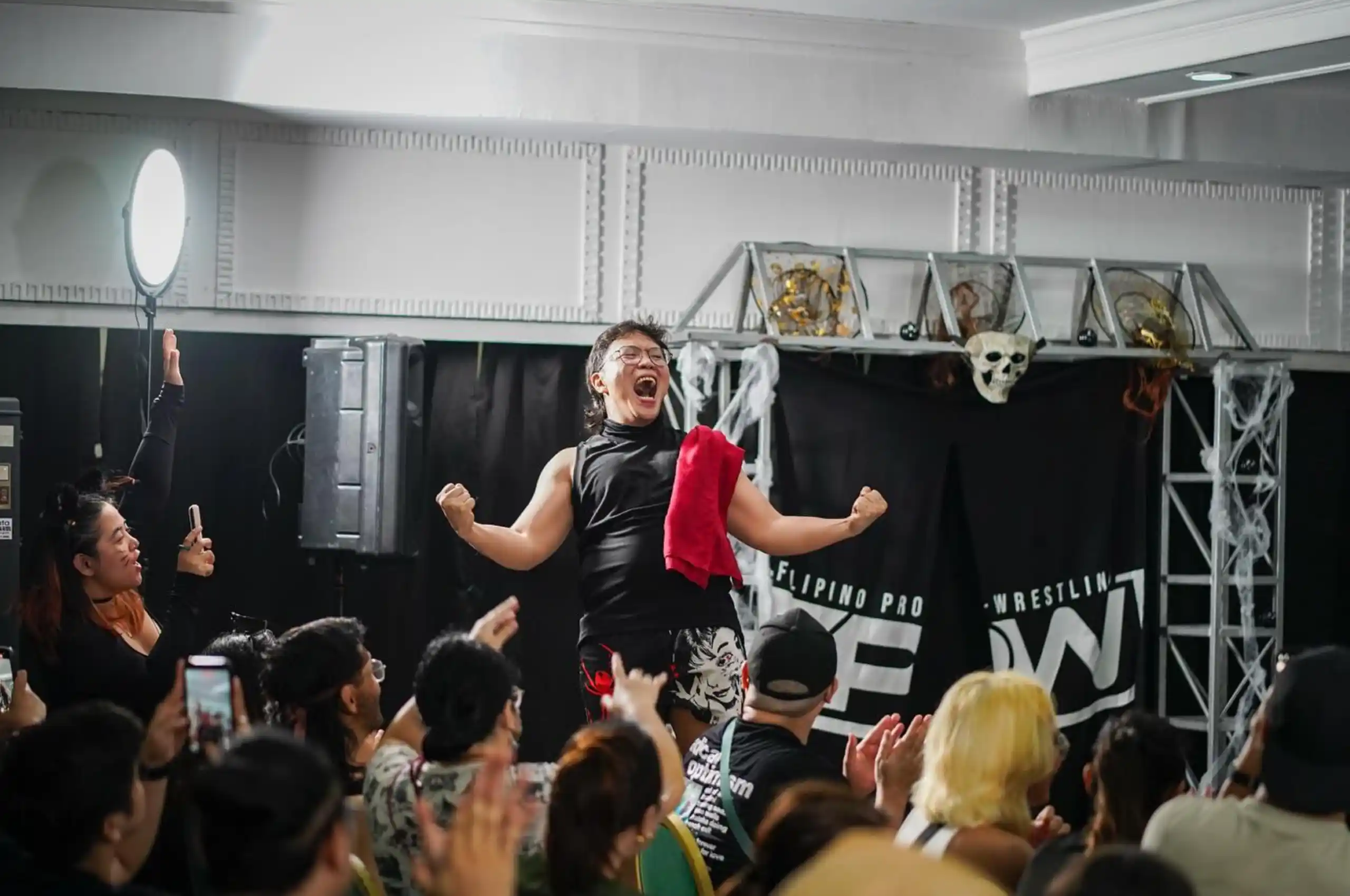
The original Kowloon House on Matalino Street in Quezon City is home to one of the country’s most visible independent wrestling promotions, Filipino Pro Wrestling (FPW). Established in 2022, the wrestling promotion made the bold decision to set up a training facility not in a typical gym, but inside a Chinese restaurant. Located on the second floor, in the “Imperial” function room — or what publication materials refer to as the “FPW Secret Base” — a full wrestling ring now stands where banquet tables once did.
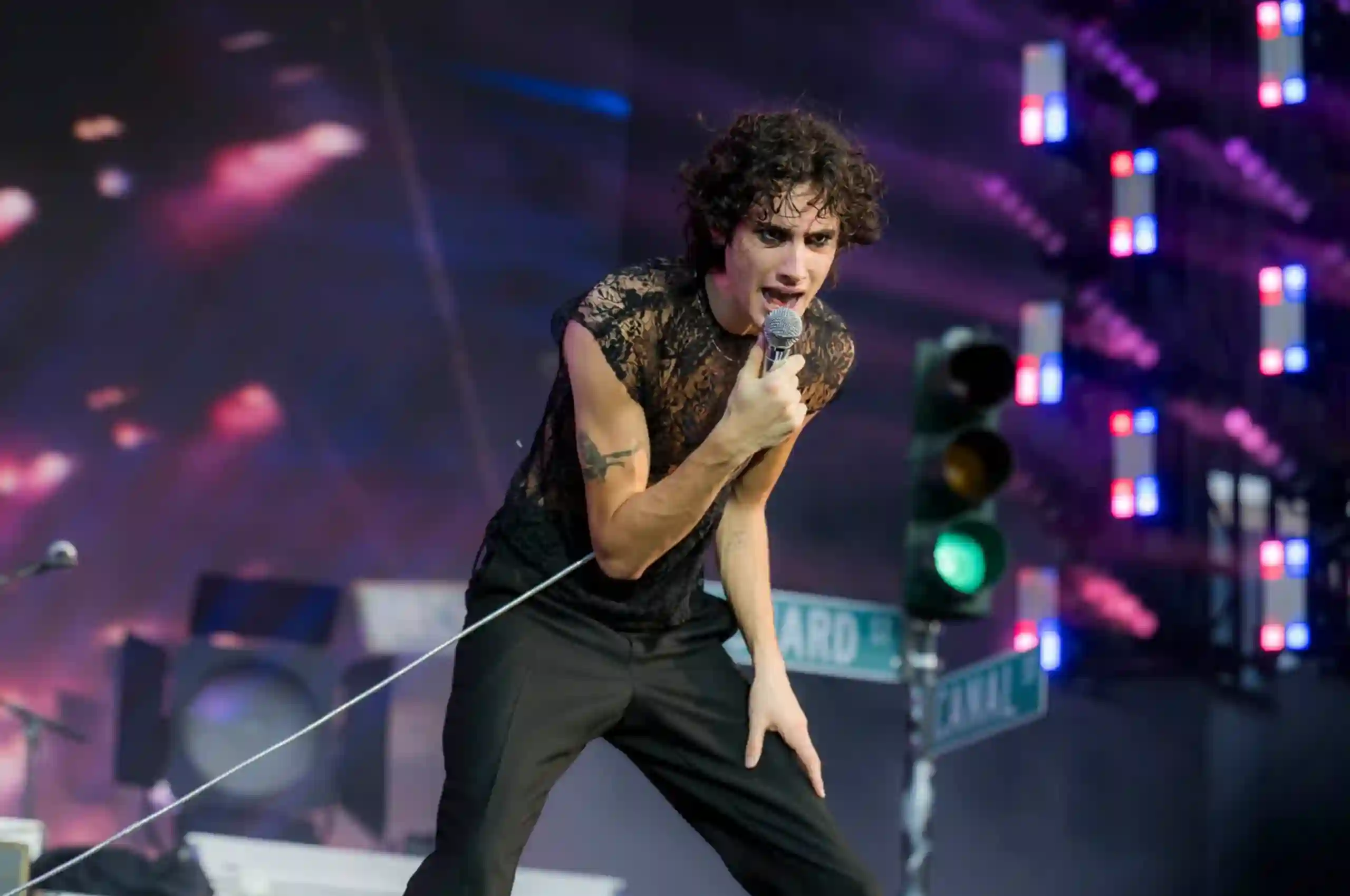
It may seem odd but the building has long carried a reputation beyond food. Its basement houses Mow’s Bar, a fixture in the local music scene for years. That overlap between live music and wrestling is not incidental. Both scenes have learned to operate within the same kinds of constraints, sharing space, audience, and infrastructure when needed.
Tim Ng, venue owner of Kowloon House and executive producer of FPW, often points out how unusual the setup still feels. The idea that a wrestling ring sits inside a restaurant his family owns is not something he takes for granted. Whether it serves as a stage for bands or a training ground for wrestlers, the building offers something that has long been in short supply: a place where people can practice, improve, and perform in front of a crowd. “There really aren’t a lot of spaces for wrestling,” Ng tells Rolling Stone Philippines. “The old promotion [PWR] used to train in a boxing ring in a gym in the south. The ring definitely wasn’t built for bumps, but they made it work for years.”
DIY Til You Die
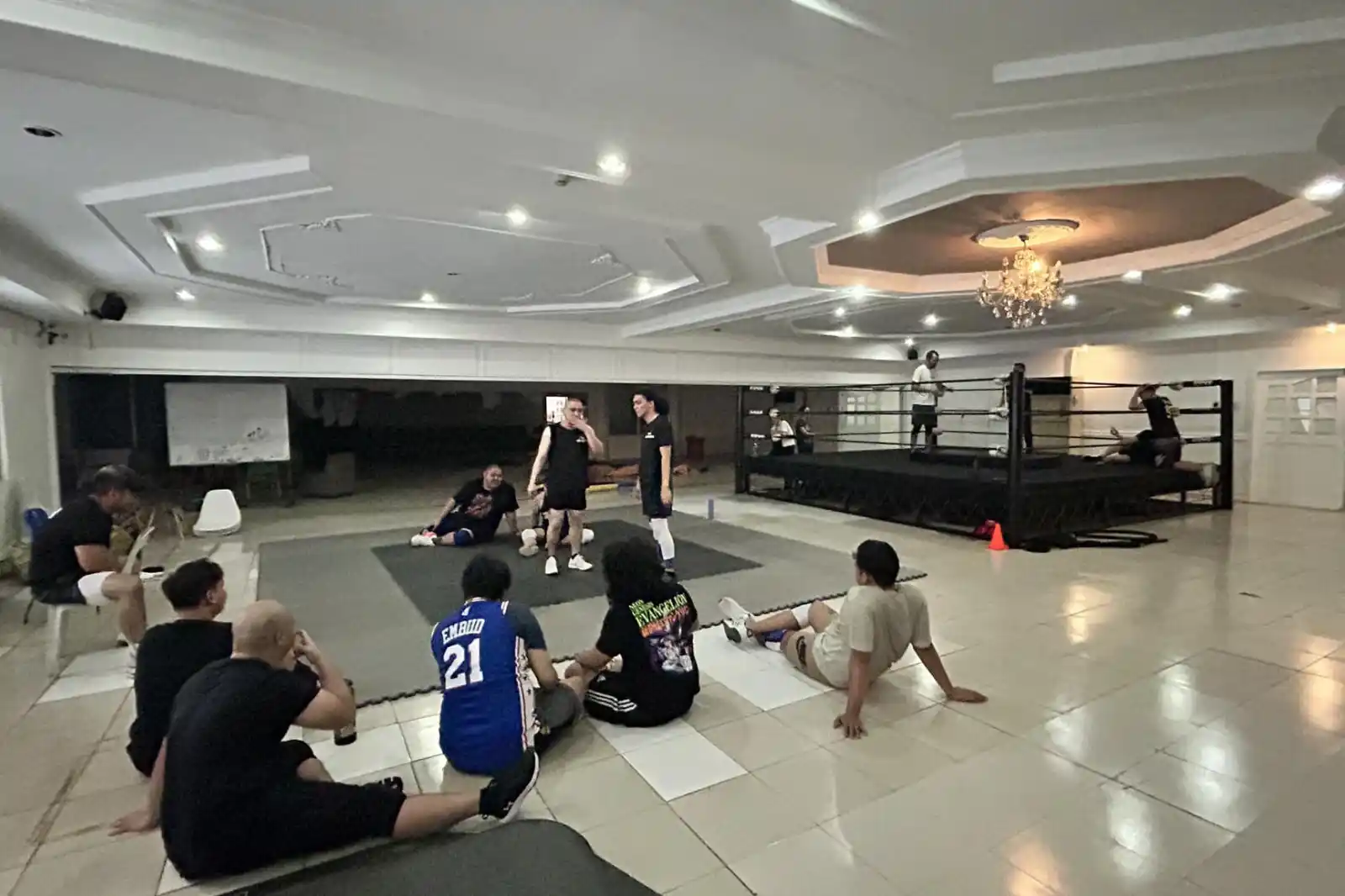
In a city where rent is steep and venues come and go, permanence is rare. Wrestling, much like underground music, survives by adapting to whatever is available. A function room becomes a training facility. A bar becomes a proving ground. These are not ideal conditions; however, they are workable, and for many, that is enough. The presence of a ring inside Kowloon House signals something practical: the scene builds around whatever exists rather than waiting for perfect infrastructure.
That same mindset carries across communities. Whether it’s wrestling or music, they rely on small, tight-knit circles that handle everything from production to promotion. Shows are put together by people who are also performers, organizers, and technicians. There is no clear separation between roles. The same person setting up lights might also be part of the main event. The same group promoting gigs is likely handling ticketing, sound, and crowd control.
What remains challenging is scale. The infrastructure that supports music like Mow’s has been built for more than a decade, while wrestling is still catching up. The audience exists, but it is still concentrated, still learning where to go and how to engage. Expanding beyond that requires the right amount of resources.
“Right now, we just need to reach wider audiences and hopefully be more financially capable of putting up shows outside Manila,” Ng says. “While the wrestling scene definitely made its mark in the Manila scene with promotions like Philippine Wrestling Revolution, Filipino Pro Wrestling, Puso Wrestling, World Underground Wrestling, I feel like the rest of the Philippines is the next step for the scene.”
Frequently Asked Questions
Kowloon House, a Chinese restaurant on Matalino Street in Quezon City, houses Filipino Pro Wrestling’s training facility in its second-floor “Imperial” function room, nicknamed the “FPW Secret Base,” where a full wrestling ring now stands in place of banquet tables.
Filipino Pro Wrestling is an independent wrestling promotion established in 2022, known for training inside the Kowloon House restaurant rather than a conventional gym. It is executive-produced by Tim Ng, who also owns the restaurant through his family.
Mow’s Bar occupies the basement of the same Kowloon House building and has long been a fixture of the local live music scene. It shares space, audience, and infrastructure with FPW upstairs, reflecting how both scenes adapt to limited venues.
The scene’s main challenge is scale — while Manila’s live music infrastructure like Mow’s Bar has developed over a decade, wrestling promotions are still building audiences and resources needed to stage shows beyond Manila and reach wider parts of the Philippines.
Alongside Filipino Pro Wrestling, the Philippines has independent promotions including Philippine Wrestling Revolution, Puso Wrestling, and World Underground Wrestling, all of which have built visibility primarily within the Manila wrestling scene.
Recommended Video