


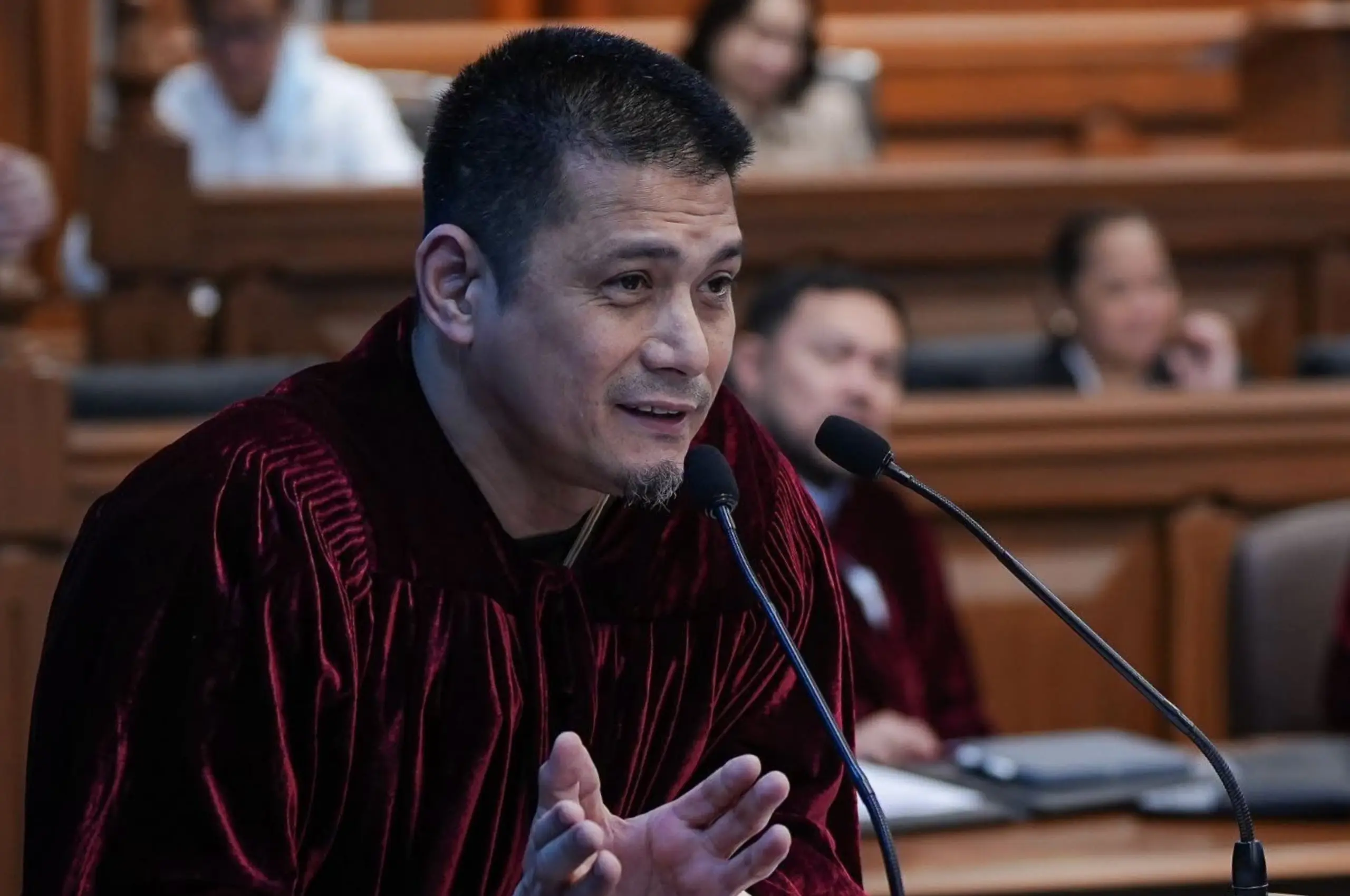
It’s almost as if Senator-judge Robin Padilla only enters the impeachment court with the goal of either humoring or provoking the people on the Senate floor.
Senator-judges are responsible for evaluating the evidence presented and determining the threshold for conviction. As stated in the Senate’s Rules of Procedure on Impeachment Trials, senators are expected to observe neutrality throughout the impeachment trial.
And while it is Padilla’s job to try the facts, he has made more alarming remarks than actual probing. His comments have ranged from questioning the prosecution’s one-sidedness to making statements that have left the court wondering what, exactly, they have to do with the case at hand. He scrutinizes the allegations against Vice President Sara Duterte less succinctly and sometimes appears to echo the defense’s position.
So, what are the alarming things Senator Robin Padilla has said during the impeachment trial?
‘University of Prison’
During the voting for the impeachment court’s presiding officer in the early proceedings, Padilla revealed that he had used Google to understand legal terminology in the Constitution. He reasoned that he did not graduate from a prestigious university but instead went to “University of Prison.” He also said he is proud of his three years in detention as it is where he learned about life.
“Nagtapos ako ng criminology at UP rin. Sa University of Prison,” he said.
On Grave Threats and Hired Killers
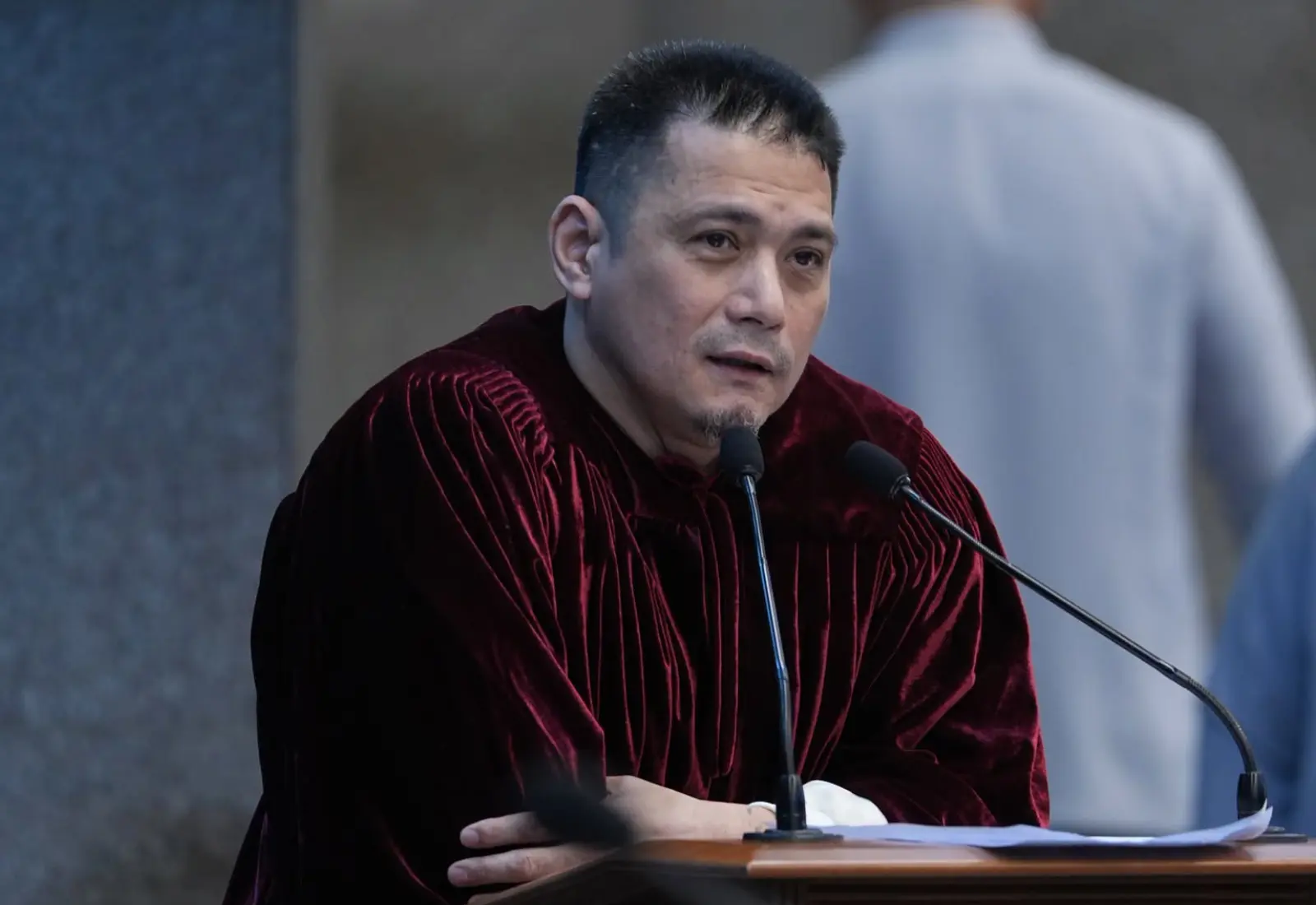
On the allegations of grave threats made by the vice president, Padilla asked National Bureau of Investigation (NBI) Regional Director Atty. Jeremy Lotoc whether a statement could still be considered a threat even if there was no money involved.
“Ang hired killer, pera-pera po ‘yan ah. ‘Pag usapin po ng pera, talagang may threat,” he added. He referenced his time in prison, explaining that he met and spent time with hired killers while incarcerated. Lotoc clarified that it is still considered a grave threat, citing the Constitution.
‘Komunista po ako’
During the trial, Padilla drew a historical parallel between former President Rodrigo Duterte and the vice president, and Russia’s Romanov dynasty, particularly their opposition to communism. He then asked Lotoc for clarificatory statements regarding the possible linkage. “Komunista po ako ha,” Padilla declared.
This was in relation to the “Operation Romanov” that was brought up during Duterte’s press conference in 2024. He further questioned the prosecution’s arguments and attempted to contextualize the Dutertes’ history and relationship with communist groups. The NBI affirmed that the Romanov assassination plot was against the Marcoses and not the vice president.
One-Sided Prosecution
On July 22, Padilla expressed his concern over how the prosecution presented the case, saying, “Sana hindi one-sided ang ating prosecution.” This prompted House Lead Prosecutor and Batangas Representative Gerville Luistro to stress that political neutrality must prevail for the senator-judges instead, as it is what was laid out clear on the Senate Rules on Impeachment.
House prosecutor Lorna Kapunan also defended the prosecution in a media interview. “The prosecution should really be one-sided, hindi ba? ‘Yun ang task ng prosecution. The defense is also one-sided because they have to prove the defense, ‘di ba? So, both sides should be one-sided.”
He later explained that it was a “call for fairness,” for the prosecution to avoid presenting witnesses whose credentials are questionable. He argued that if such witnesses were allowed in court, the same standard should be applied to senator-judges who have pending cases but have not been convicted.
‘Yes or No?’
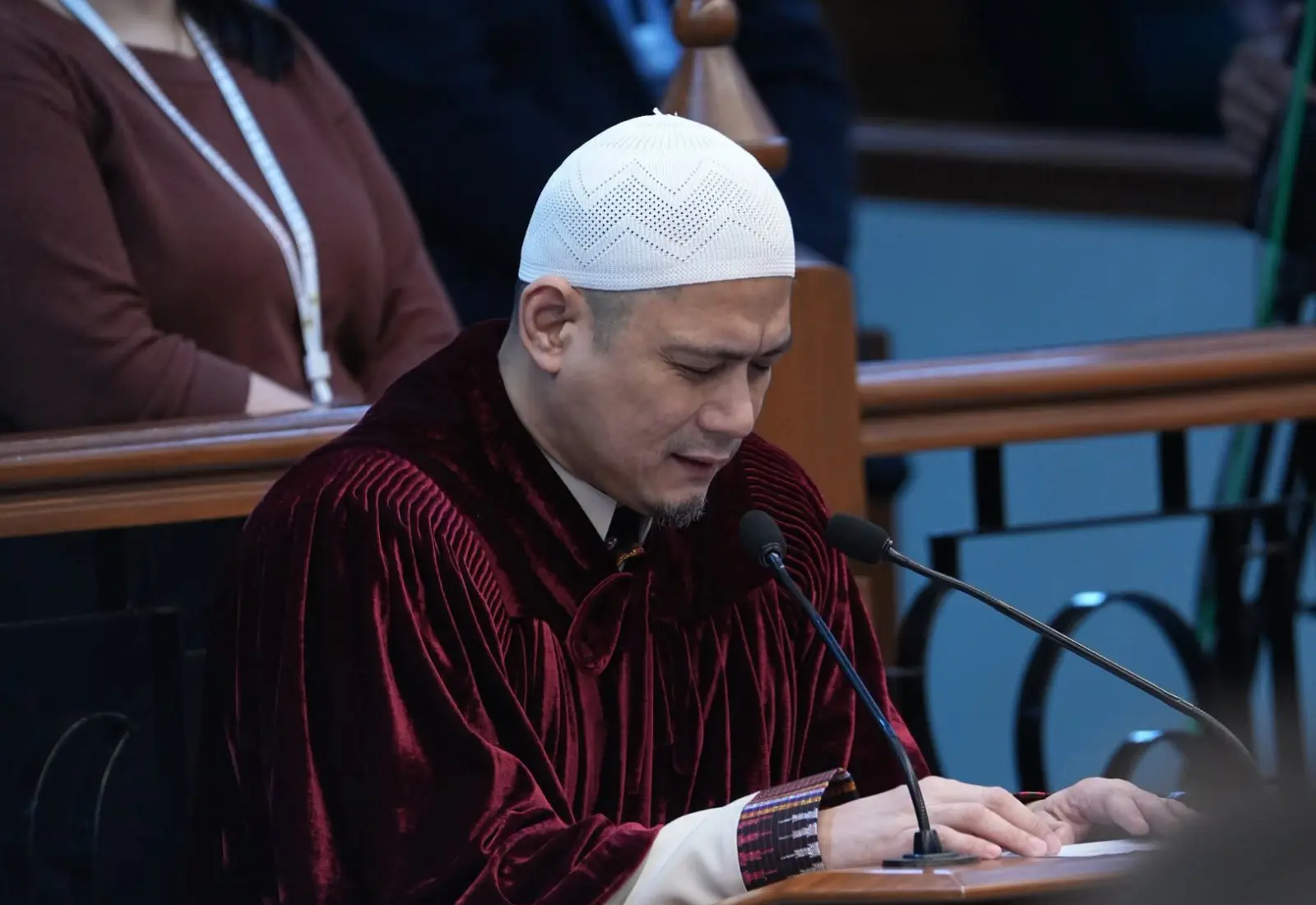
Padilla repeatedly tried to reduce complicated questions of credibility, intelligence gathering, and public security into simple “yes-or-no” propositions. He asked prosecutor Gerville Luistro whether it was fair to call someone a “liar” for inconsistencies in accounts. When Luistro tried to ask for more context, Padilla pressed her for a binary response.
Padilla also questioned several witnesses on matters that appear to have little bearing on the allegations against the vice president. For instance, he asked former Commission on Audit Intelligence and Confidential Funds Audit Office (COA-ICFAO) Auditor Roderick Wamil if he had ever been exposed to the threats of terrorism in the country. “Nakaikot na po ba kayo sa mga bundok? Nakita niyo na po ba ang mga pangangailangan ng mga tao sa malalayong lugar?”
“‘Di po kayo exposed,” Padilla added. The exchange appeared to frame the official as being out of touch with the realities faced in remote areas, and to question why the COA officer was subjected to investigation when he had no personal exposure to terrorism.
Similarly, Padilla once again brought up terrorism. This time, he asked the witness and state auditor Xylene Del Campo about reports of Lumad schools allegedly infiltrated by terrorist groups. He then mentioned that since he and Del Campo were both from Baguio, he would no longer press her with questions. “Dahil po diyan, hindi ko na lang kayo pahihirapan. Tayo na lang po ay maging magkababayan sa Baguio.”
Dimasalang, Siling Labuyo, Tikbalang, and other aliases
Padilla’s recent comment made on the use of an alias — in connection with the numerous dubious names found on the receipts of the confidential funds — raised more eyebrows online. The senator-judge mentioned that national heroes also utilized aliases, like “Dimasalang,” “Siling Labuyo,” and “Tikbalang,” and asked prosecution counsel, Mae Divinagracia, if she knew of it.
“Ito po ang pinalalabas ng prosecution, na may mga pangalan na katawa-tawa,” Padilla said. “Mas nakakatawa po itong mga pangalan noong mga nangyari noong araw.” Divinagracia countered and said that the circumstances from their time differ from the case at hand, as there was a war.
“Do you know Marcial Bonifacio? It was Benigno Aquino Jr., Ninoy. He himself had an alias,” Padilla said. This was later shot down by Senator-judge Bam Aquino, who explained that the purpose of the alias was so Aquino could return to the Philippines from his exile in Boston.
“Wala po ba tayong giyera sa NPA? Ang NPA, may alias,” Padilla argued again, but Divinagracia objected and pointed out that armed conflict is different from war. The prosecutor further mentioned that under the Anti-Alias Law, using aliases is not completely prohibited as long as the actual names are disclosed. Padilla remained firm in arguing that protecting the identities involved in confidential operations is vital.
Confidential Funds = School Violence Prevention?
The senator-judge prosecution and defense counsels, Divinagracia and Kristine Ferrer, asked whether they believed Department of Education (DepEd) Secretary Sonny Angara could have possibly prevented school violence incidents if he had confidential funds.
“Palagay niyo po ba kung mayroong confidential fund si Angara, maaari po bang mapigil niya ang mga shooting incident sa mga paaralan?” he asked, pushing both lawyers to speculate and establish the supposed usefulness of confidential funds. Divinagracia and Ferrer had opposite answers, with the latter saying yes if the confidential fund is used for threat surveillance.
And perhaps Padilla’s own defense of his performance outside the courtroom explains why these moments keep happening. On August 27, the senator-judge hit back at his critics over his impeachment trial remarks. “Ako ay ibinoto ng mga totoong tao. I’m only answerable to them, not to paid troll farms. Dios mío, magugutom ang mga trolls kapag tumigil ako,” he said.
FREQUENTLY ASKED QUESTIONS
Senator-judges are responsible for evaluating the evidence presented and determining the threshold for conviction.
Yes, as stated in the Senate’s Rules of Procedure on Impeachment Trials, senators are expected to observe neutrality throughout the impeachment trial.
Robin Padilla said that he used Google to understand legal terminology in the Constitution, as he did not graduate from a prestigious university but instead went to the “University of Prison.” He was previously convicted.
Marcial Bonifacio was an alias used by former Senator Ninoy Aquino during his return to the Philippines from exile.
After asking Del Campo about reports involving Lumad schools and alleged terrorist groups, Padilla noted that they were both from Baguio and said he would no longer press her with questions. He told her, “Tayo na lang po ay maging magkababayan sa Baguio.”
Recommended Video