


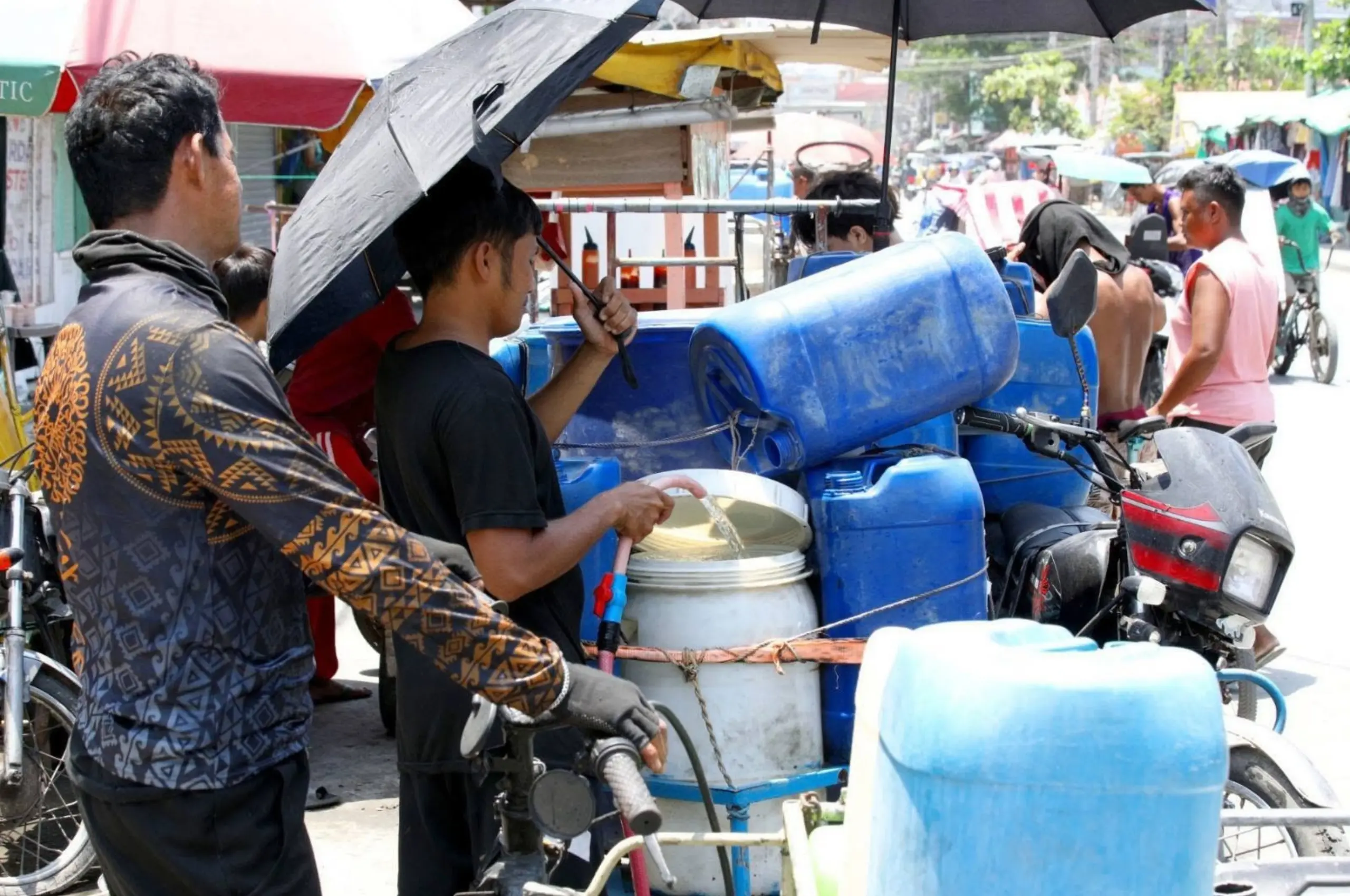
As Filipinos brace for the Super El Niño and water systems continue to falter, the government has advised households to use baldes (per the wise words of President Ferdinand Marcos Jr.) and collect rainwater, with the Department of Social Welfare and Development (DSWD) preparing to distribute portable filtration kits to make rainwater potable.
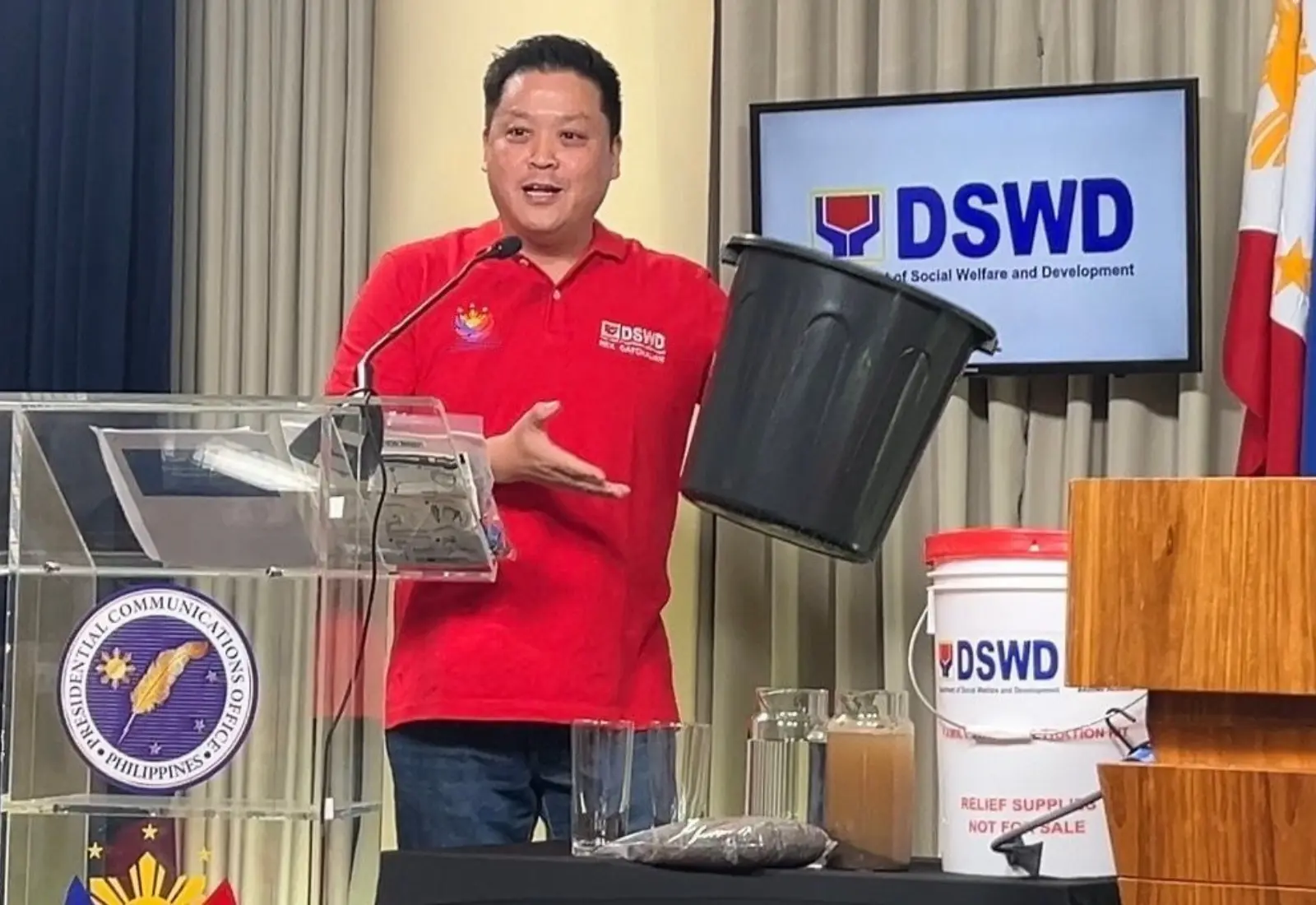
In a Palace press briefing on October 14, DSWD Secretary Rex Gatchalian demonstrated how the filtration works through a bucket filled with water mixed with soil, before drinking the filtered water with Palace Communications Officer Claire Castro. The department secretary described it as “safe for everybody” and “potable for human consumption.” He added that the rollout of kits is expected next week, with cities under a state of calamity to be prioritized.
It is ironic that we have reportedly had over a hundred billion pesos stolen from flood control and other public infrastructure projects, but with the country facing another climate crisis, ordinary Filipinos are once again expected to shoulder the burden and demonstrate resilience, now through a seemingly school-scale science project.
National water security remains a responsibility of the Philippine government. For 2026, there was a proposed budget of P54.79 billion for the National Irrigation Administration, while P39.83 billion is allocated for the 2026 National Disaster Risk Reduction and Management Fund (NDRRMF). The House had also recently approved the 2027 “El Niño-ready” national budget of P7.2 trillion.
Yet, as reported by Philstar.com, who cited the Office of Civil Defense (OCD), the agricultural damage linked to Super El Niño has reached P6.8 billion this year. Meanwhile, the National Disaster Risk Reduction and Management Council (NDRRMC) has reported that there are already over 450,000 Filipinos affected by the dry spells across the country.
While rainwater filtering has been done before and can offer an alternative source, it still has its limits, particularly when El Niño intensifies and, with it, the prolonged drought and dwindling supply.
Whether the funds allocated to government projects translate into reliable water access and functioning irrigation systems, and whether they could actually help with the expected drought, remains to be seen. Filipinos can stock up their pails, but resiliency should complement government and public services of water infrastructure, not wholly substitute for them.
FREQUENTLY ASKED QUESTIONS
President Marcos Jr. urged Filipinos to collect rainwater in baldes as water systems falter under Super El Niño, with DSWD pairing this with portable filtration kits.
DSWD Secretary Rex Gatchalian demonstrated filtering soil-mixed water at an October 14 briefing, calling it “potable for human consumption.” Rollout to calamity-declared cities begins the following week.
The 2026 budget proposes P54.79 billion for irrigation and P39.83 billion for disaster risk reduction, alongside a P7.2-trillion “El Niño-ready” national budget approved for 2027.
Over 450,000 Filipinos have been affected by dry spells nationwide, per NDRRMC, with P6.8 billion in agricultural damage recorded by the Office of Civil Defense.
Critics argue households bear the burden while billions in water infrastructure funds remain unaccounted for, especially amid reports of stolen flood-control money.
Recommended Video