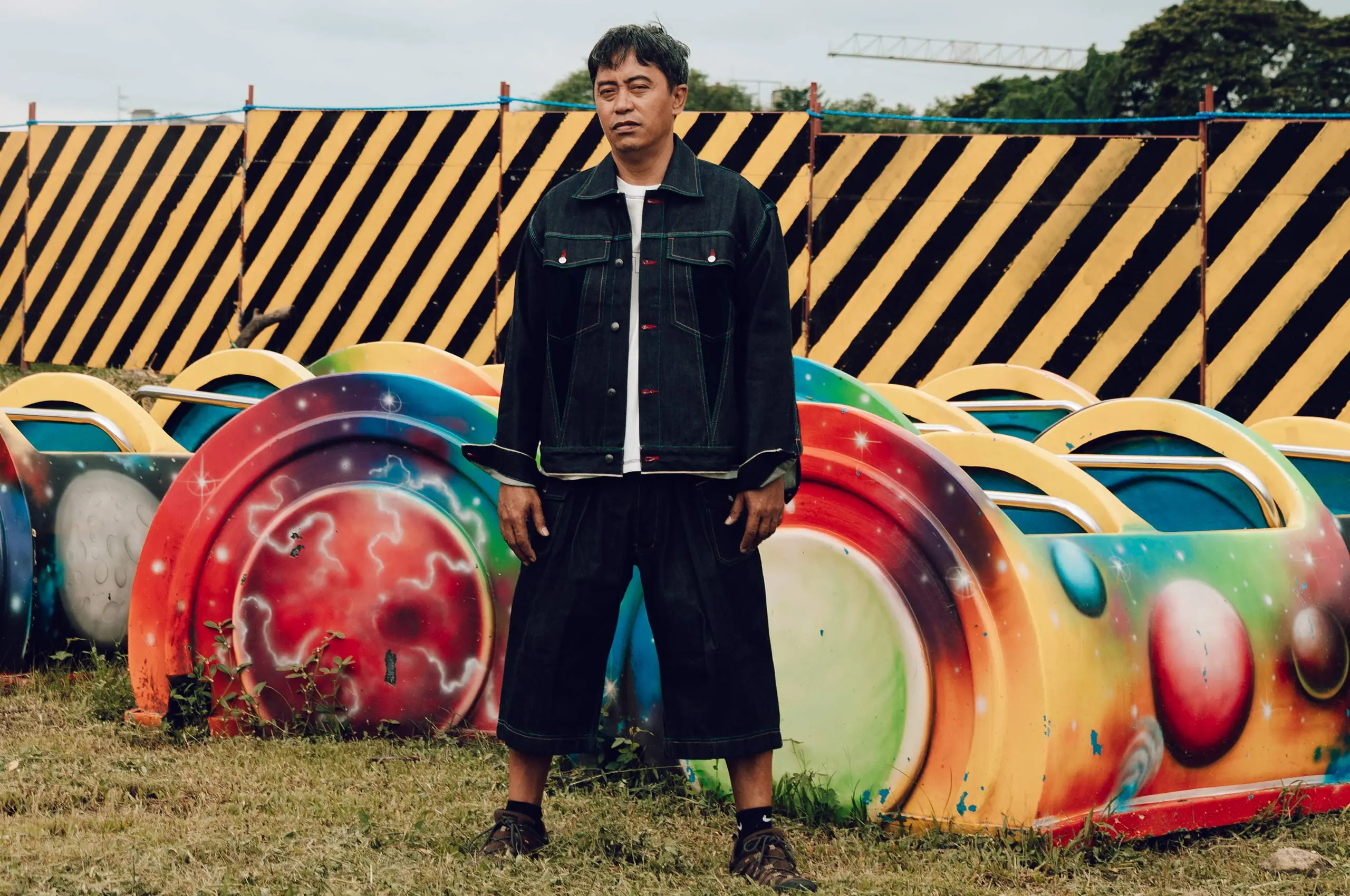



For Filipino-American rapper apl.de.ap, the past year has been one about auditing his own legacy. In May, he and the rest of the Black Eyed Peas reunited to attend the 52nd American Music Awards, where they won Best Throwback Song for their 2009 hit “RockRockA guitar-driven genre that grew from rhythm and blues in the 1950s and splintered into countless styles, from punk and metal to alternative. With a long history of rebellion andGo to Rock Glossary That Body.” That came after the resurgence of “Bebot,” first released in 2005, which found popularity again 20 years later as a viral TikTok sound.
Born Allan Pineda Lindo to a Filipino mother and an American father who left shortly after his birth, the rapper was raised in Pampanga before he moved to the United States after seeking treatment for nystagmus (a condition that causes involuntary eye movement) and being adopted by his dollar-a-day sponsor. In high school, he met William Adams, better known as will.i.am, with whom he would form the Black Eyed Peas in the 1990s, alongside Taboo, and later on Fergie.
The group would go on to become one of the defining acts of 2000s pop, moving between hip-hop, R&B, dance music, and electronic sounds. Albums like Elephunk and Monkey Business produced hits that crossed borders and genres, including “Where Is the Love?,” “Shut Up,” “Don’t Phunk With My Heart,” and “My Humps.” Their later releases, including The E.N.D. and The Beginning, cemented their place in pop music.
The Black Eyed Peas remain a significant part of Pineda’s life. He still performs with the group, and new music is in the works. “We’re still making music together, and we always call each other like, ‘Yo, what you working on?’” he tells Rolling Stone Philippines.
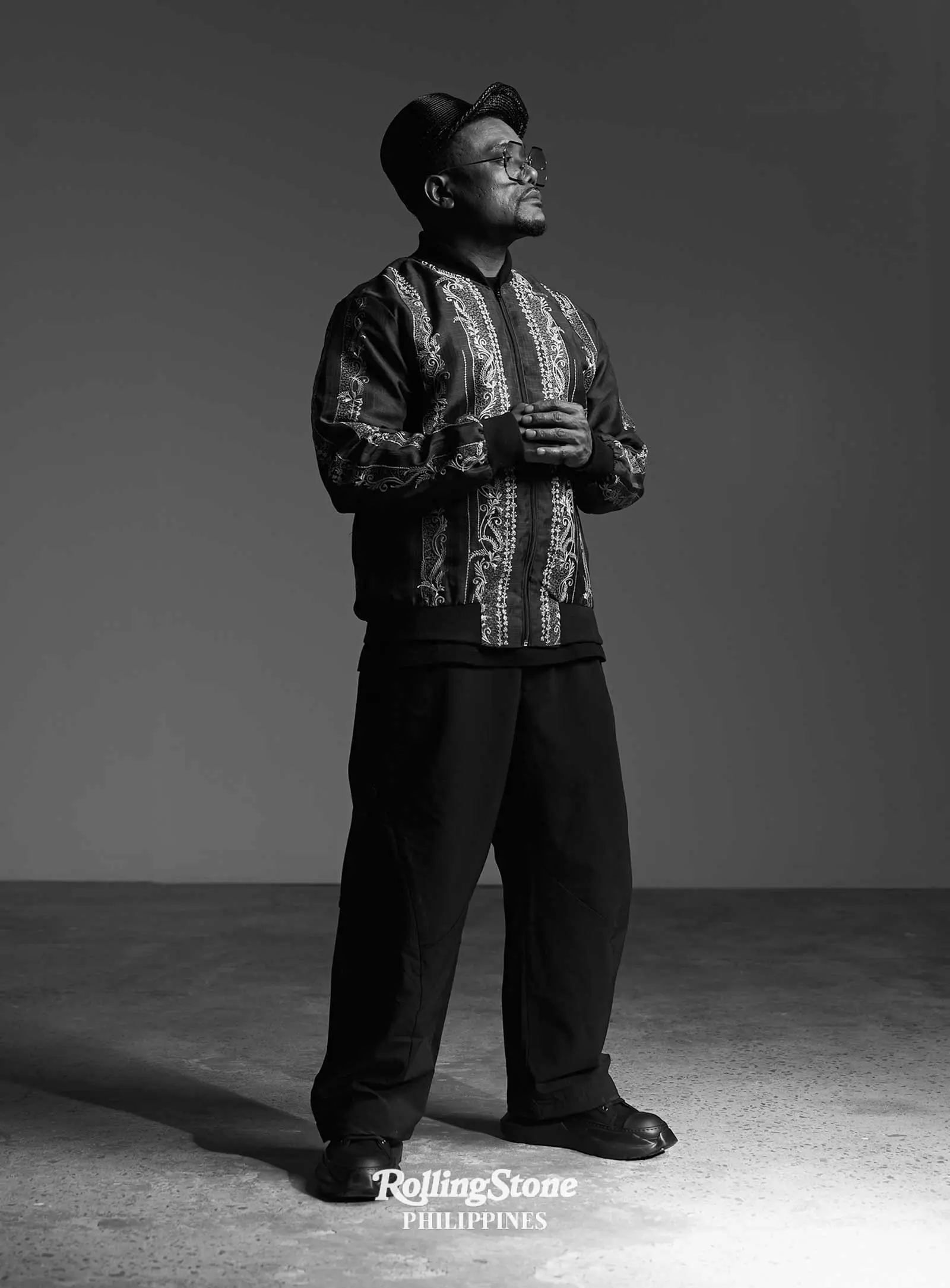
But these days, he’s also building a career separate from the one that first made him famous. His interests now stretch from collaborations with younger Filipino musicians to an ambitious coconut agroforestry project, a planned film about legendary billiards player Efren “Bata” Reyes, and a vocational education program that would teach young Filipinos about electric-vehicle battery technology.
The projects might seem unrelated at first. But when you speak to Pineda long enough, like I have, you’ll find that a common concern emerges: how to give Filipinos more opportunities to make something of the resources, talent, and knowledge already around them.
He is also, by his own admission, still catching up. “I left the Philippines at 14, so there’s so much I missed,” he says. He is discovering artists across genres, from hip-hop to alternative music, showing me his own playlist of newer OPM songs. His life now involves moving between recording sessions, meetings with his foundation, and trips to farms across the country.
There is plenty to keep him busy. Yet Pineda seems particularly energized by the possibility that the work he does outside music might have an impact beyond his own career.
Coming Home to the Music
Pineda now spends much of his time in the Philippines, getting reacquainted with the local music scene and working with artists who are building careers on their own terms. Among them are Nadine Lustre, Illest Morena, and Fana, whose approaches to music reflect a scene that has become more varied and increasingly willing to experiment.
His latest release, the three-track EPEPShort for extended play, a release longer than a single but shorter than a full album, usually three to six songs. EPs let emerging artists introduce their sound without aGo to EP Glossary PPP, stands for “Philippine People Power.” Pineda describes it as a love letter to the country, one that addresses issues he believes need more attention.
The EPEPShort for extended play, a release longer than a single but shorter than a full album, usually three to six songs. EPs let emerging artists introduce their sound without aGo to EP Glossary opens with “Why?,” featuring Bamboo, a call to action about exercising people’s rights. “Pinoy United” is about making peace with one another, while “Turn Around” offers a message of hope.
“With this new EPEPShort for extended play, a release longer than a single but shorter than a full album, usually three to six songs. EPs let emerging artists introduce their sound without aGo to EP Glossary, I’m just hoping to inspire people and deliver some difficult messages that need to be said,” he says. “It’s like a feeling; you just gotta talk about it. And at the same time, it’s a cry for help from our leaders who truly care to step up.”
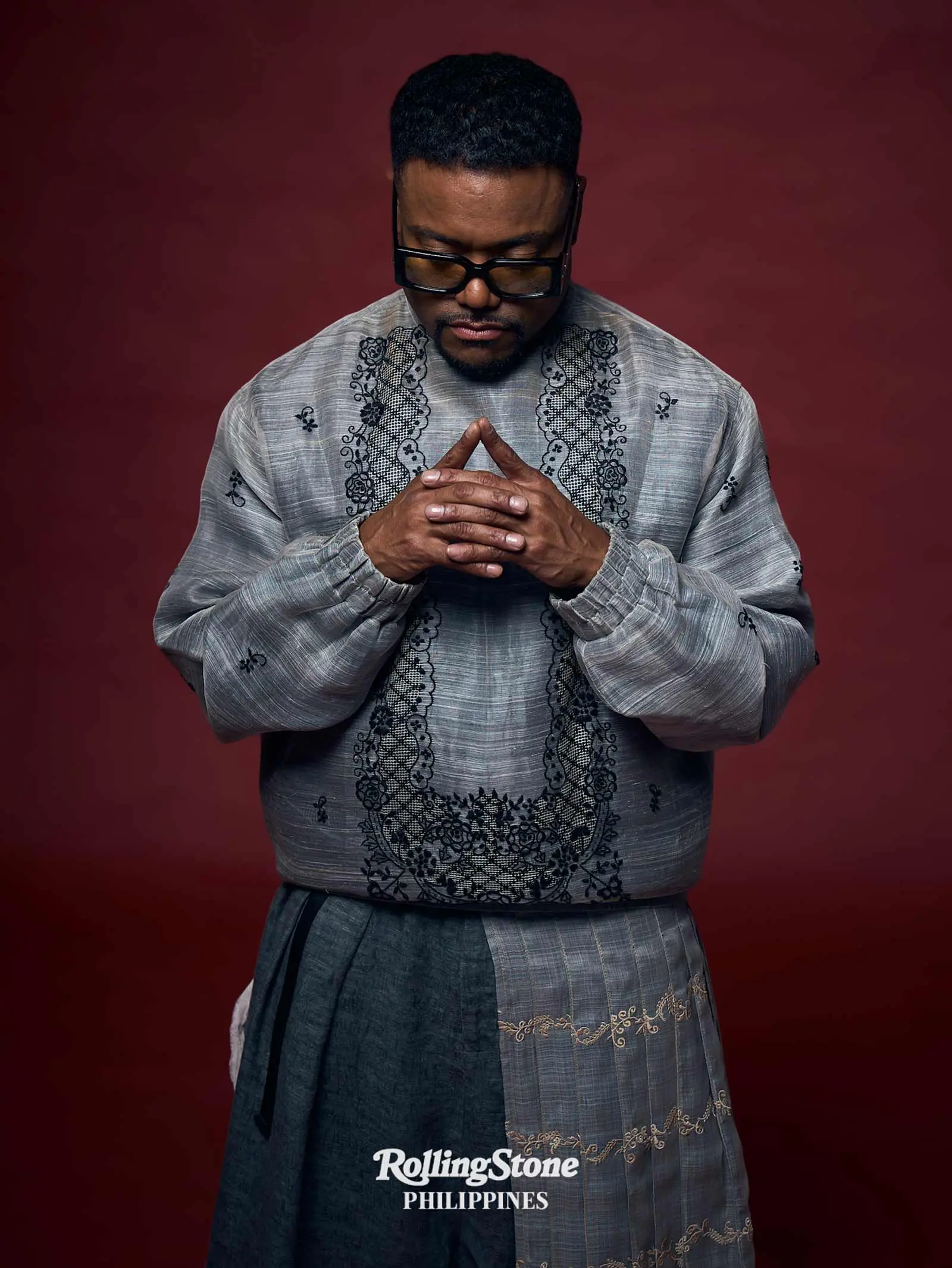
He wants the responsibility for change to extend across sectors. “Let’s take care of all of us, as artists, government, private, public,” he says. “I still see a lot of similar situations as when I left the country many years ago.”
For Pineda, the country has the talent and knowledge to address its problems. What is needed, he suggests, is greater investment in the people who can put those resources to work.
This belief informs his approach to music, too. In the lead-up to PPP, he has been collaborating with artists whose sounds differ considerably from the hip-hopHip-HopA culture and genre built on rap, DJing, breakdancing, and graffiti, born in New York in the 1970s. Filipino hip-hop has grown into a powerful voice, with artists rapping inGo to Hip-Hop Glossary and pop that established his reputation. His work with Lustre, in particular, grew out of a shared interest in helping farmers through the coconut project.
“We’ve been in touch with Nadine. She’s doing good stuff with the coconut tree project and the agricultural stuff,” he says. “We wanted to collaborate to help our farmers, and I wanted to do a song for my album as well. And then she reached out to us, and she wanted me to featureFeatureA guest appearance by another artist on a song, usually credited as featuring or ft. in the title. Features introduce each performer to the other's fans, and they can sparkGo to Feature Glossary in one of her songs.”
The result was “Donuts,” a track that draws on Afrobeats and gives both artists room to play with their sound. Pineda remembers hearing Lustre’s song and immediately being wowed by her attitude. The collaboration also offered an opportunity to pay homage to Filipino history and the figures who have shaped the country’s identity.
“I had fun channelling Datu [Lapu-Lapu],” he says.
He had also been working with Illest Morena and Fana on “Wind It,” which took close to a year to reach listeners in June, after the artists teased it at the Filipino Music Awards in October 2025. For Pineda, the release was another chance to bring attention to musicians who deserve a wider audience.
“I make it a point to highlight more of us, more of OPM artists, and try new things,” he says. “And Illest killed it, you know. She did great.”
He is particularly interested in the way younger musicians have taken ownership of their identities and built followings without relying entirely on established record labels. Illest, he says, impressed him with her work ethic and her ability to create a market for herself. He has similar praise for Fana, whose vocal range and professionalism have made an impression on him.
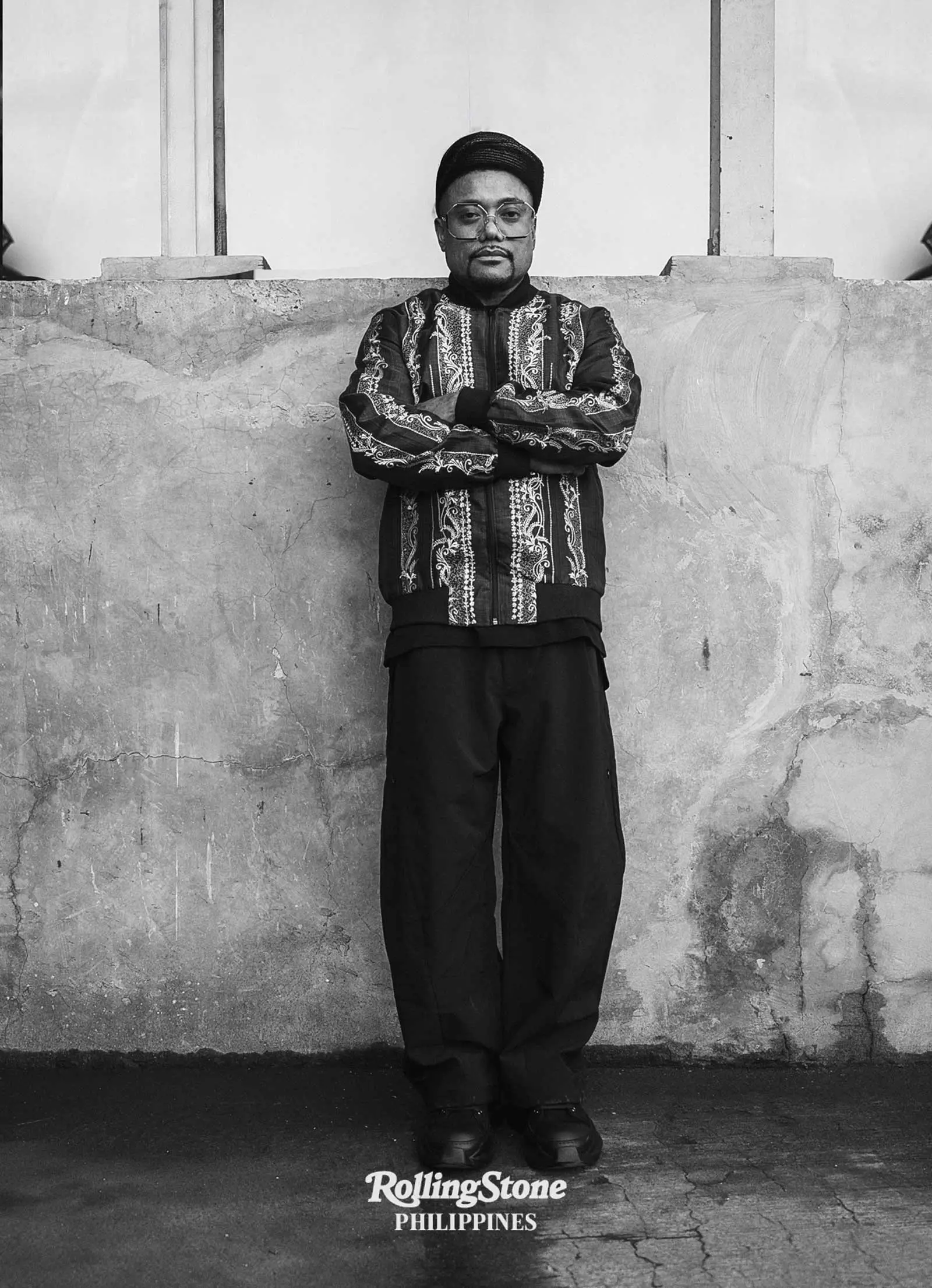
“Right now, I’m super influenced by Afrobeats,” he says when asked about the genres he’s tuned into. “You could write cool songs over it and dance at the same time.”
He sees that freedom in the undergroundUndergroundArtists, venues, and scenes that operate outside mainstream attention and commercial systems, often driven by passion rather than profit. The underground is where many new sounds begin, and its word-of-mouthGo to Underground Glossary music community, where artists can experiment with genres and release music independently. When he first started paying attention to Illest Morena, he was struck by the fact that she was thriving without the backing of a major label.
“You kind of had to learn from Illest how you move these days — just the freedom, releasing and forming your own team and not relying so much on companies, and actually building your own market,” he says.
His upcoming album will reflect that openness, drawing on a wide range of genres and Filipino artists. Pineda lists Lola Amour, Flow G, IV of Spades, SB19, and BINI among the acts that have caught his attention. He is also listening to Hev Abi, Abra, Ron Henley, Skusta Clee, Kyla, Maki, Sunkissed Lola, and Apo Hiking Society.
This is an excerpt from the Rolling Stone Philippines Hall of Fame Issue, now available for pre-order on Sari-sari Shopping and in major newsstands soon.
Get digital access to the latest issue here.
Styling JOREL ESPINA
Grooming DON DE JESUS
Recommended Video