

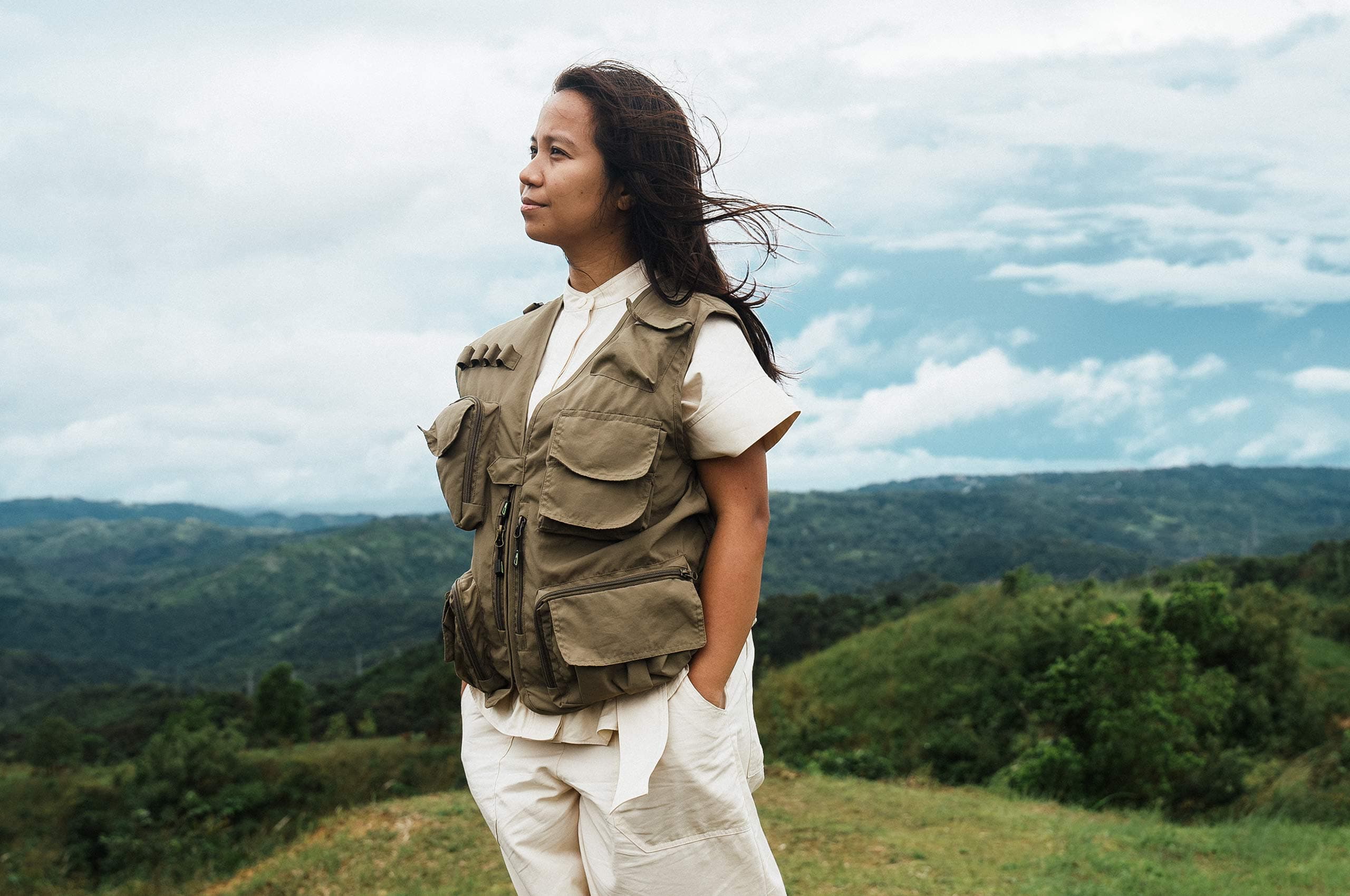
A 400-step ascent for over four hours on Masungi Georeserve’s Legacy Trail is a humbling way to start a conversation about conservation, especially when traipsing on steep rocky paths against strong winds and slight rainfall. But for Ann Dumaliang, who has seen the Masungi Georeserve even when it was still a barren landscape, the climb was just one of the many reminders of how much the place has changed.
Describing what she knew of the place, she says, “There [was] nothing that you could see around. Honestly, the first couple of years, I remember being pretty bored because the most you can do is stand on top of a haystack and wait there.” Her father, Ben, was a civil engineer who discovered and founded the conservation area more than 20 years ago. Dumaliang then grew up with the site before eventually assuming the role of co-founder and trustee of the Masungi Georeserve Foundation, Inc. (MGFI).
Masungi Georeserve is a conservation site that covers 2,700 hectares of land in Baras, Rizal, and is part of the Sierra Madre mountain range. Its name was derived from the word “masungki,” which means “spiked,” from the limestone karst formations and sharp rockRockA guitar-driven genre that grew from rhythm and blues in the 1950s and splintered into countless styles, from punk and metal to alternative. With a long history of rebellion andGo to Rock Glossary pinnacles across the landscape. As of 2026, there are four trails open to the public: Discovery, Legacy, Origin, and the Garden Picnic, all maintained and managed by the foundation.
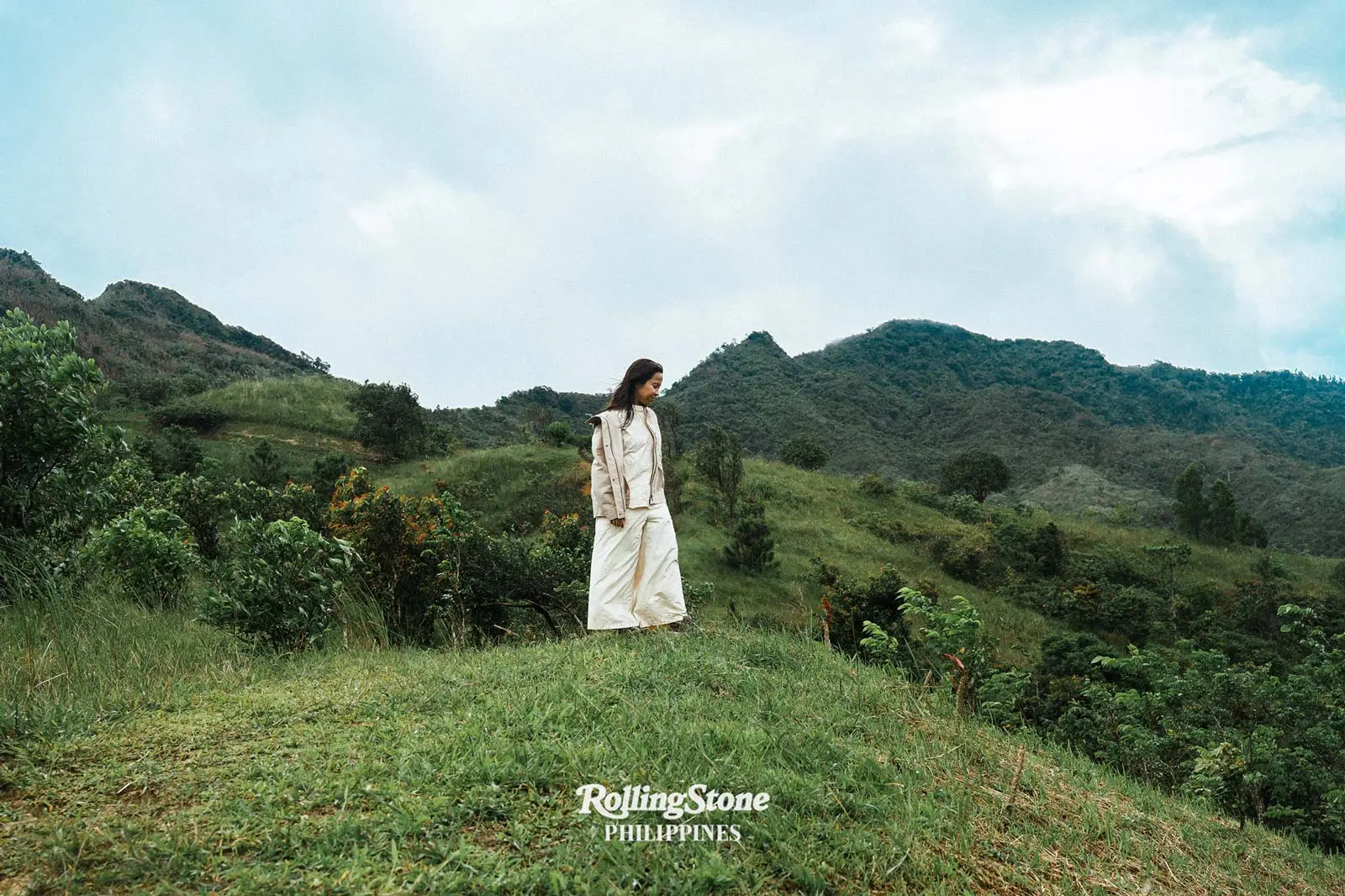
Our trek in Legacy showed bountiful biodiversity. Clear water flowed around the trail, some baboy ramo left traces through fallen plants and patches of dirt, the native fig trees bore edible fruits, and pine trees circled in elevated points, mimicking the sound of rain or sea waves whenever the wind blew past them. It was eerily cool and fascinating. There was one unique-looking tree, its trunk half scarred from a lightning strike. According to forest ranger Nilbert Marquez, hugging the tree was believed to give good luck or energy.
The site is also home to a rare flower that blooms only once a year called JC’s vine, or Tayabak, which Marquez describes as one of the 10 most beautiful flowers in the world. To date, there are already over 800 species of flora and fauna in the area, up from the 400 documented in 2013. An estimated 180,000 trees have also been planted in the georeserve, now covering several areas that used to be bald dry.
“180,000 trees is not a lot,” Dumaliang clarifies, sharing that they only plant on land they know is secure and safe from illegal actors. “There’s no point in planting kung alam naman naming masisira ‘yung lugar. You’re better off addressing the root causes of destruction in the area. You can’t skip that part,” she adds, explaining that this particular principle is why they get in a lot of trouble.
What It Takes
The trouble Dumaliang and other environmental defenders encounter is far from trivial. The Philippines was ranked the deadliest country for environmentalists in Asia for the thirteenth consecutive year, with the highest number of logged killings and attacks on land and its workers.
“There’s a lot of sacrifice that comes with doing this kind of work,” admits Dumaliang. She cannot recall exactly how old she was when she first understood the magnitude of her family’s work. What she remembers is listening to her father in an important call. She describes him as a typically soft-spoken man whose voice turns even softer during difficult conversations. “So then, you try to listen harder, ” she says.
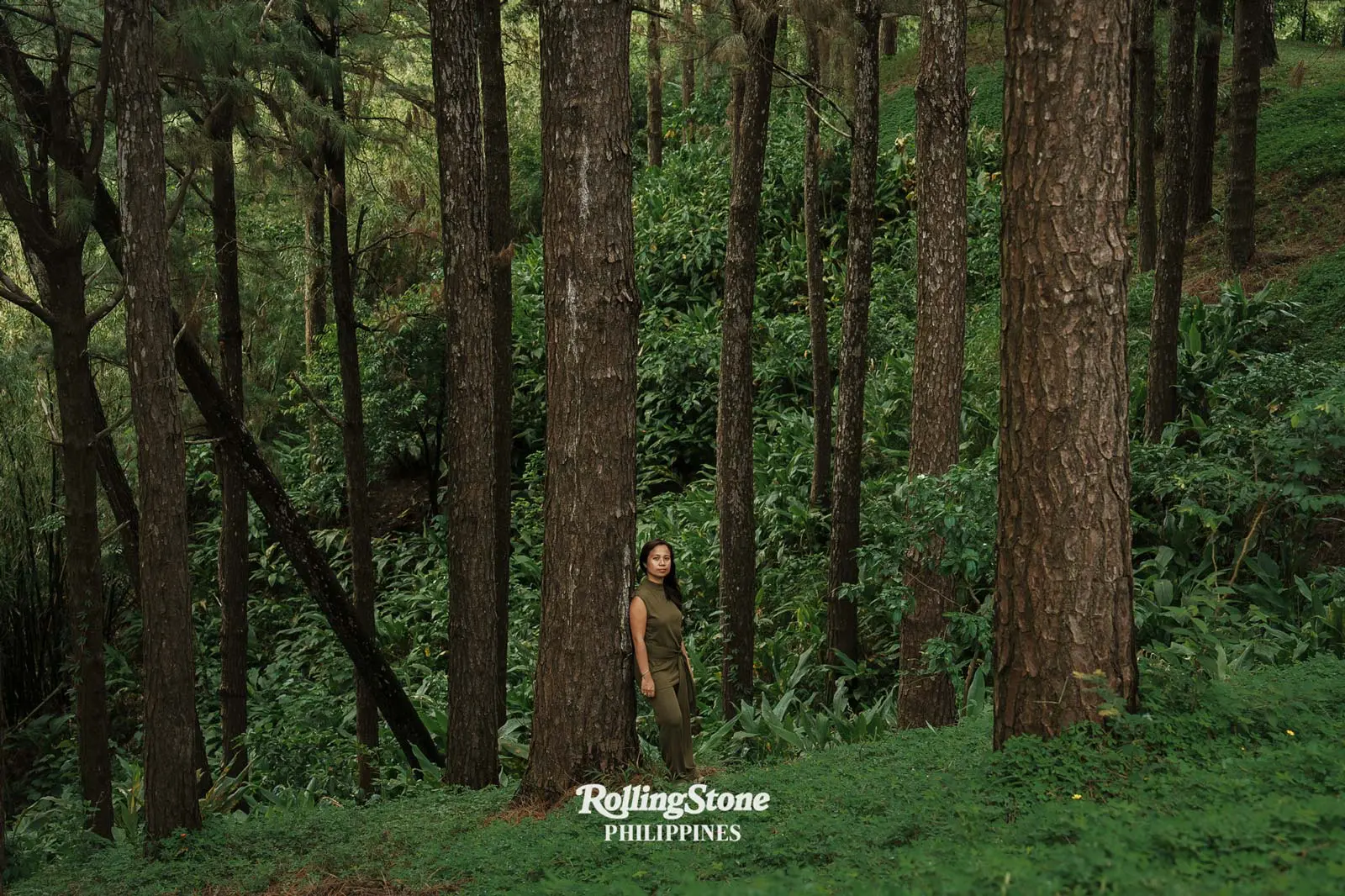
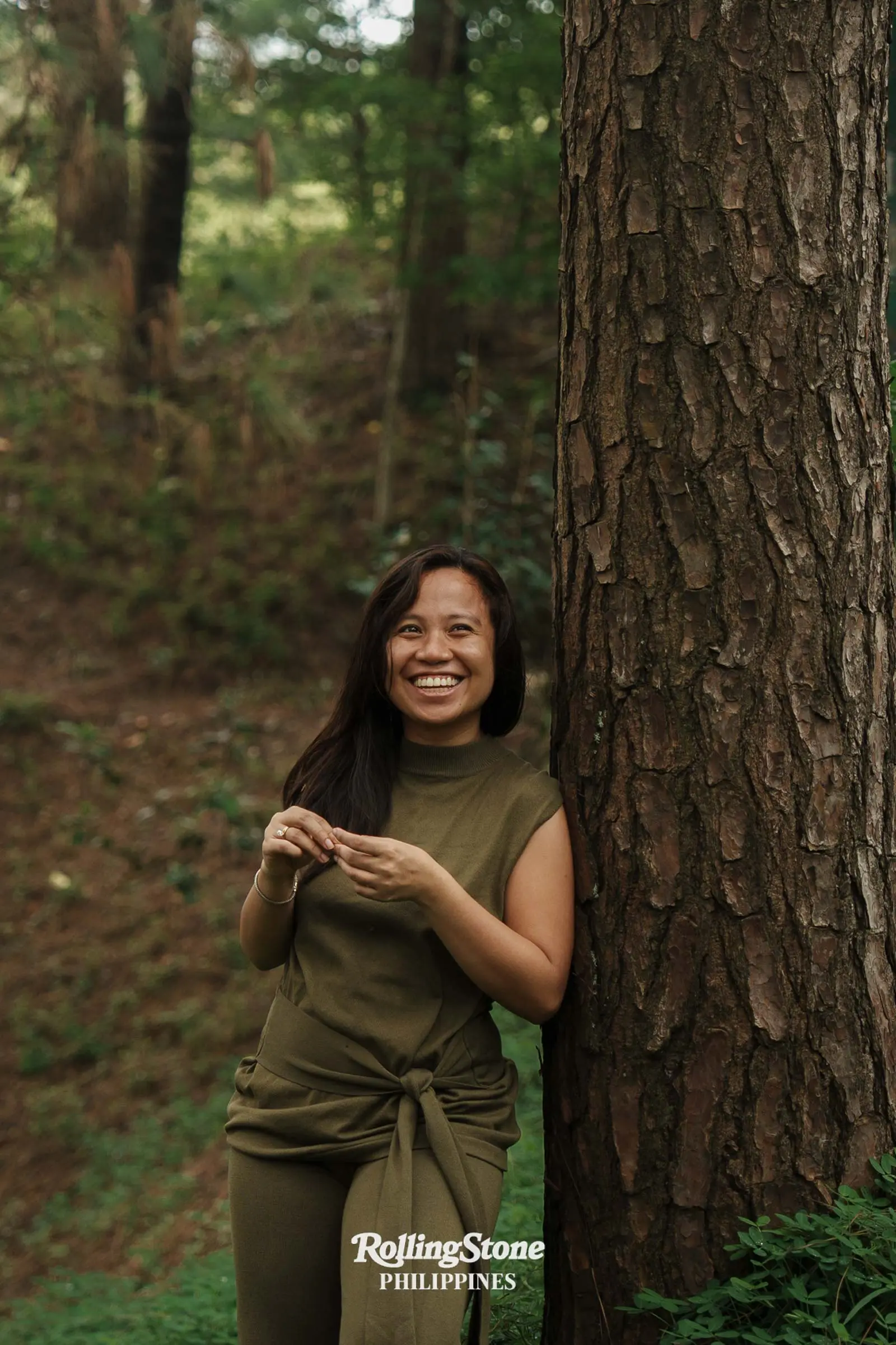
As she recalls, that was when some of their forest rangers were taken to the police station at the behest of a quarry operator. Their family had to pay for the rangers’ bail just to get them out. “Even just those kinds of experiences were remnants of [injustice] felt at a very young age,” she says, describing the event as jarring. “There was clearly a lot to be done when it comes to seeking justice, protecting the land [and] supporting the team that has done so much and has given so much to keep it alive.”
In July 2021, two Masungi rangers were shot inside their station. The mastermind was reportedly the owner of a large resort who wanted to quarry the land, as exposed by its own employee. While they were recovering, it was Dumaliang who monitored the station herself. She remembers the anxiety of standing in the darkness at two o’clock in the morning, hoping there wouldn’t be another round of gunfire.
But her first armed encounter, she says, was at a time when the military supported one of the land grabbers and threatened other forest rangers. When Dumaliang arrived on the scene, the military still had their guns and were planning to take the rangers away. “My dad offered to get taken instead,” she adds.
Just 10 meters away from Masungi’s boundary, a wind farm project has begun taking shape in a neighboring forest. Right across from where our team stood and rested, large wind turbines already towered over. Dumaliang says it cost clearing and destroying some parts of the forest to build it. The project, which proposes a 128-megawatt wind farm within the Upper Marikina River Basin Protected Landscape (UMRBPL), was led by Alternergy Holdings Corp. and has started supplying power to the Luzon grid in July 2026.
This fight has become a defining part of her life. And although Dumaliang is often the designated person speaking publicly about Masungi, she is quick to point out that the work has never belonged to her alone, humbly limiting herself to just the “tip of the iceberg.”
She proceeds to give credit to Marquez and the rangers who do their work day in and day out. As she explains, money is not the only vital resource in the field, but also the indispensable expertise and time of the people who believe in the move.
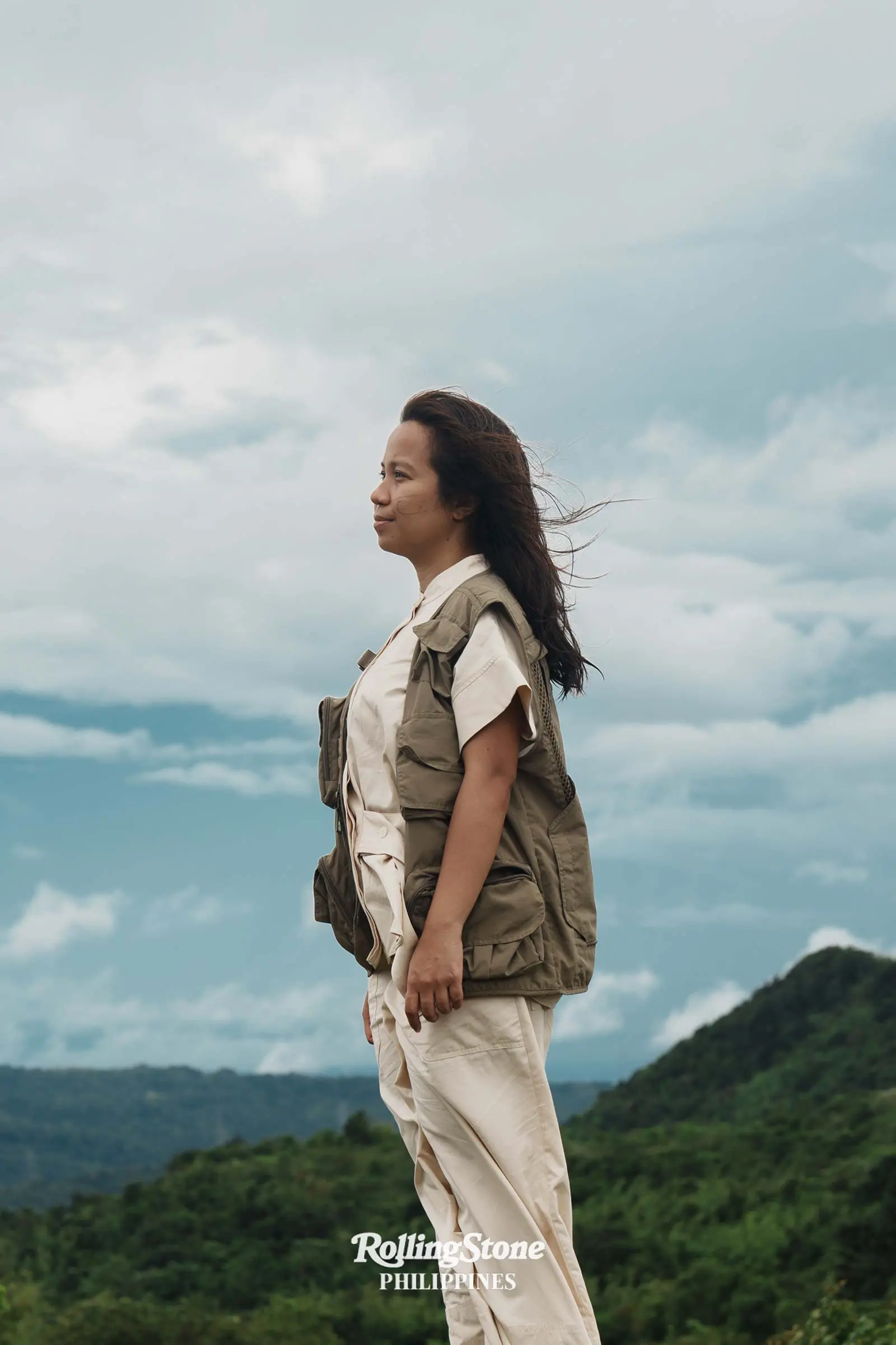
“You haven’t even met the rangers [assigned] in the hot spots and who’ve been there the last 10 years. Just a lot of sacrifice that comes with doing this kind of work, yet they do it,” she says.
Dumaliang also denies claims that Masungi has big machinery, “It’s all organic, and it’s all just people coming together, contributing their skills and resources to keep the place alive.”
This is an excerpt from the Rolling Stone Philippines Hall of Fame Issue, now available for pre-order on Sari-sari Shopping and in major newsstands soon.
Get digital access to the latest issue here.
Stylist STEVEN CORALDE of QURATOR STUDIO, assisted by NIÑA CUYANA
Ann wears Harlan and Holden top and trousers
Recommended Video