Advertisement
HomeCultureVideo Games
Chaos Ensues

‘Tomodachi Life’ Lets Players Go Fully Unhinged

What starts as a simple island setup can spiral into strange interactions, driven by how much control players have over every detail

By
FacebookTwitterEmailCopy Link
Tomodachi Life Nintendo Switch
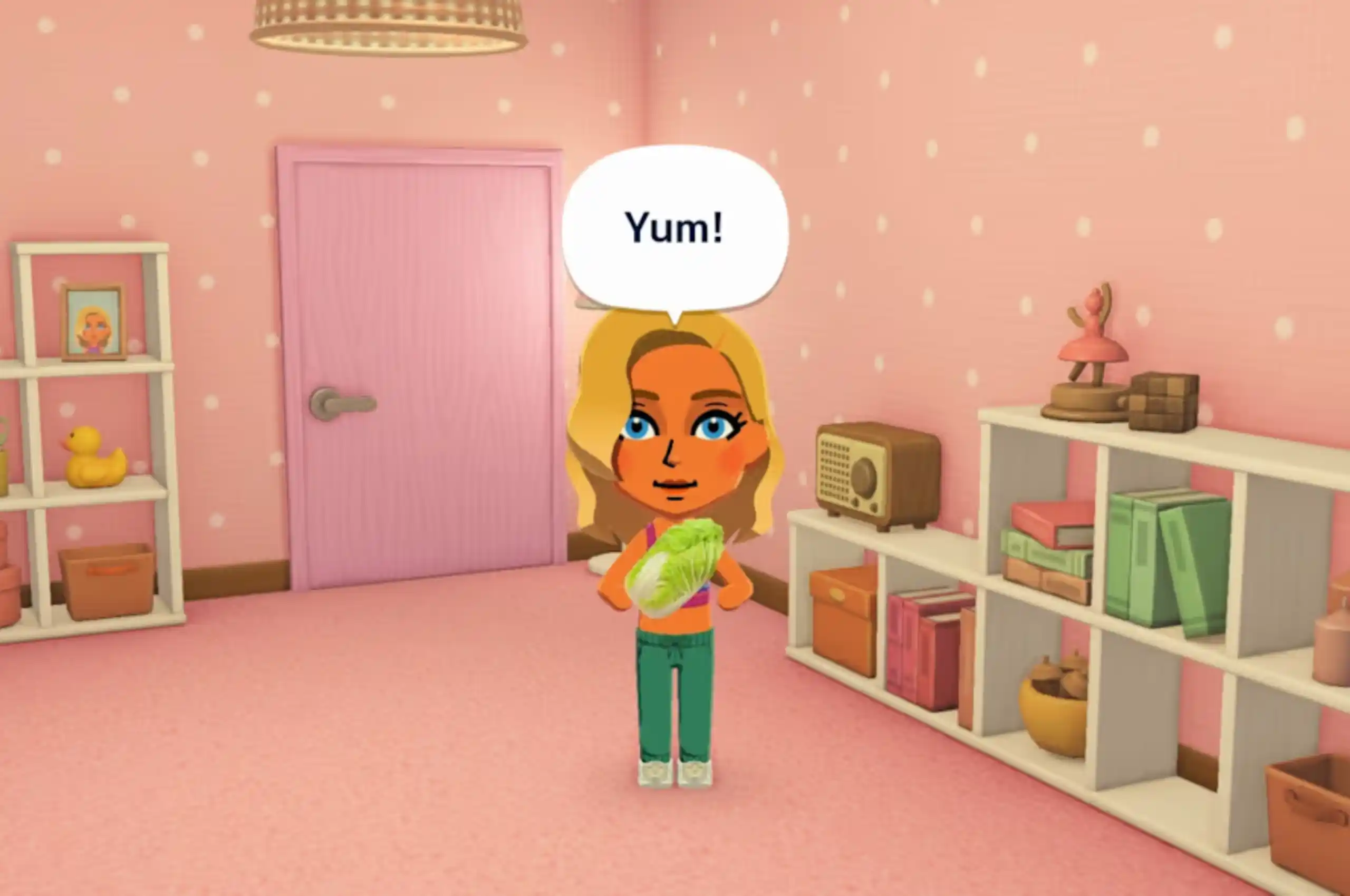
The game plays like a modern-day, chaotic, human version of Animal Crossing, only far more unhinged. Photo from Nintendo Switch/Facebook

Tomodachi Life: Living the Dream — Welcome Version has just dropped its full game release. Based on the Tomodachi Collection, a Japan-exclusive life simulation game released in 2009, the premise of the game is to drop your Mii characters on an island and let them interact on their own, where unpredictability ensues.

On March 26, Nintendo previewed the game’s mechanics through its official YouTube channel. The game plays like a modern-day, chaotic, human version of Animal Crossing, only far more unhinged in how players can customize characters and dictate their lives.

Players can customize from decorating avatars with cat ears and anime eyes to how their characters look and speak, such as unfiltered swearing during dialogue sequences. The game leans into the unpredictability of choice, encouraging players to experiment with how far they can stretch each character’s identity and behavior.

Longtime fans of the game can expect a larger, highly modifiable, and modern take on the life-simulation series upon release, where they can copy looks through images, fall in love, and cohabit.

{“@context”:”https://schema.org”,”@type”:”FAQPage”,”mainEntity”:[{“@type”:”Question”,”name”:”What is Tomodachi Life: Living the Dream and when did it release?”,”acceptedAnswer”:{“@type”:”Answer”,”text”:”Tomodachi Life: Living the Dream is a life-simulation game developed by Nintendo for the Switch console. Building upon the 2009 Japan-exclusive Tomodachi Collection, the title drops customizable Mii characters onto an island to interact autonomously in unpredictable social scenarios.”}},{“@type”:”Question”,”name”:”How does Tomodachi Life: Living the Dream compare to Animal Crossing?”,”acceptedAnswer”:{“@type”:”Answer”,”text”:”While both titles feature island simulation, Tomodachi Life focuses on unhinged avatar behavior, custom dialogue, and autonomous character drama rather than resource gathering. Players dictate Mii dialogue, aesthetic traits, and social dynamics, resulting in a chaotic human-centric simulation experience.”}},{“@type”:”Question”,”name”:”What customization features are available in Tomodachi Life: Living the Dream?”,”acceptedAnswer”:{“@type”:”Answer”,”text”:”Players can customize Mii avatars with distinct aesthetic accessories like anime eyes or cat ears, import external looks via images, and program speech synthetics. Character dialogue allows unfiltered phrasing, enabling players to shape unique personalities, catchphrases, and unpredictable island interactions.”}},{“@type”:”Question”,”name”:”Can Mii characters form romantic relationships and cohabit in Tomodachi Life?”,”acceptedAnswer”:{“@type”:”Answer”,”text”:”Yes, Mii characters in Tomodachi Life: Living the Dream can fall in love, enter romantic relationships, and cohabit on the island. The game’s simulation engine allows avatars to autonomously build friendships, start romantic rivalries, and move into shared homes together.”}},{“@type”:”Question”,”name”:”Why is Tomodachi Life considered a countercultural entry in Nintendo’s library?”,”acceptedAnswer”:{“@type”:”Answer”,”text”:”Unlike Nintendo’s typically sanitized life simulators, Tomodachi Life embraces player-driven chaos, absurdity, and unfiltered self-expression. By letting players dictate unscripted dialogue and push avatar identities to extreme lengths, the game offers a subversively satirical take on social simulation games.”}}]}

Frequently Asked Questions

Tomodachi Life: Living the Dream is a life-simulation game developed by Nintendo for the Switch console. Building upon the 2009 Japan-exclusive Tomodachi Collection, the title drops customizable Mii characters onto an island to interact autonomously in unpredictable social scenarios.

While both titles feature island simulation, Tomodachi Life focuses on unhinged avatar behavior, custom dialogue, and autonomous character drama rather than resource gathering. Players dictate Mii dialogue, aesthetic traits, and social dynamics, resulting in a chaotic human-centric simulation experience.

Players can customize Mii avatars with distinct aesthetic accessories like anime eyes or cat ears, import external looks via images, and program speech synthetics. Character dialogue allows unfiltered phrasing, enabling players to shape unique personalities, catchphrases, and unpredictable island interactions.

Yes, Mii characters in Tomodachi Life: Living the Dream can fall in love, enter romantic relationships, and cohabit on the island. The game’s simulation engine allows avatars to autonomously build friendships, start romantic rivalries, and move into shared homes together.

Unlike Nintendo’s typically sanitized life simulators, Tomodachi Life embraces player-driven chaos, absurdity, and unfiltered self-expression. By letting players dictate unscripted dialogue and push avatar identities to extreme lengths, the game offers a subversively satirical take on social simulation games.

Recommended Video

Tap to Unmute
Unmute
0:00
0:00 / 0:00
0:00
Elijah Pareño

Elijah Pareño

Music Writer

Elijah Pareño is the Music Writer of Rolling Stone Philippines. He writes daily music news, features, reviews, and radar stories of the website.

In addition to music writing, Pareño has written about the behind-the-scenes writers and producers from the P-pop scene, interviewed hip-hop artists like Shanti Dope and Zae, and featured up-and-coming artists for the Music Forecast 2026. Aside from music, Pareño has written about the state of affairs that affects pop culture. He wrote a movie review for 'Mortal Kombat II' and reported and interviewed photojournalists at the September 21, 2025 protests in Luneta and Mendiola.

Prior to working in Rolling Stone Philippines, Pareño was a freelance writer for 3 years and independent live music promoter

To provide a customized ad experience, we need to know if you are of legal age in your region.

By making a selection, you agree to our Terms & Conditions.