


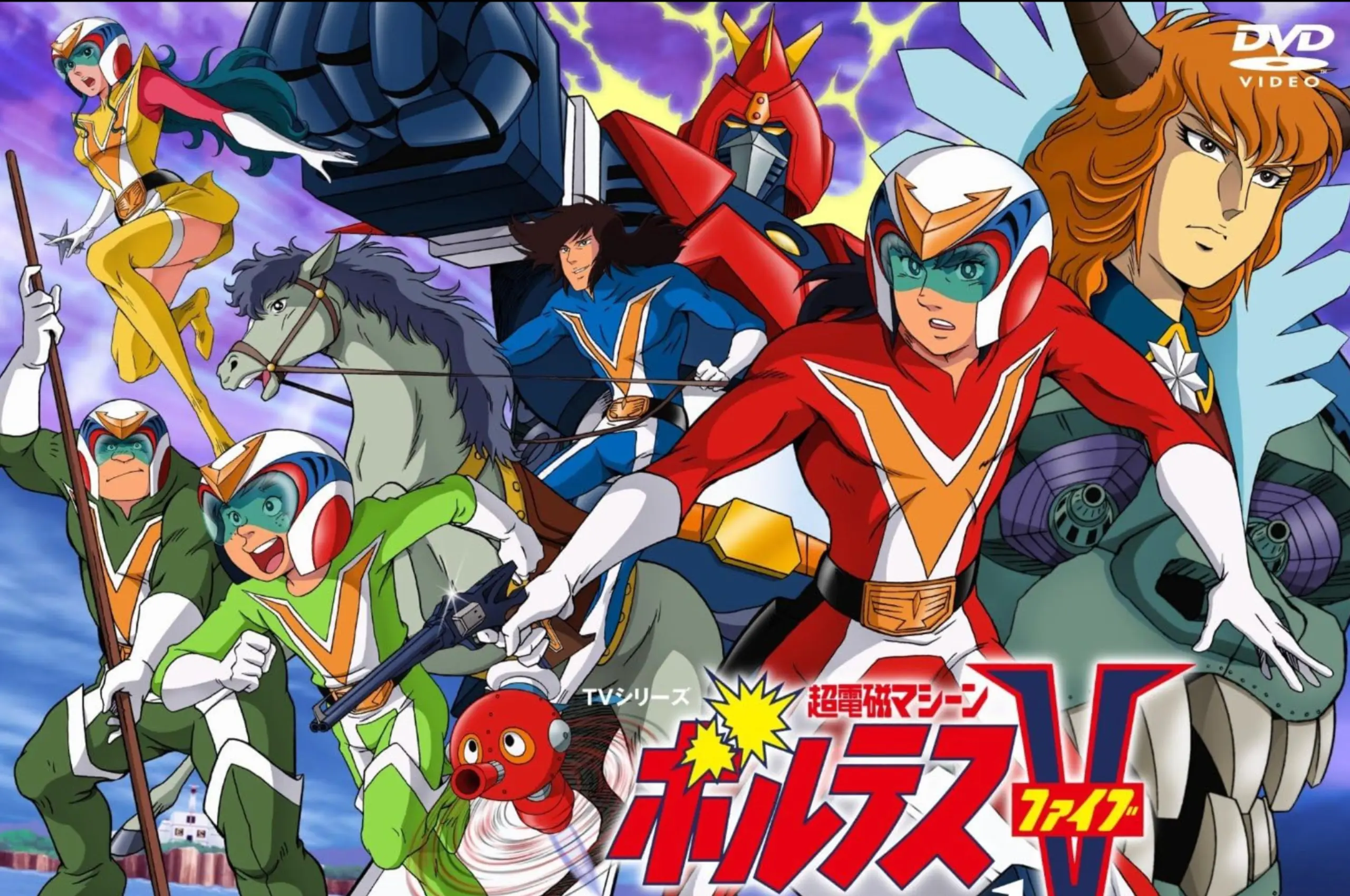
In 1979, under Memorandum No. 13-79, then President Ferdinand Marcos Sr. ordered the removal of the Japanese animated series Voltes V off the air despite only five episodes remaining. The administration reasoned that the series was harmful for viewers, especially for young children, due to its “excessive violence.” But even then, others already believed that the move was political, and just another sly excuse for media and state censorship. The sudden cancellation angered the generation that was fans of the series.
Voltes V primarily centered on five young human heroes fighting against the tyrannical, alien-filled Boazonian Empire whose goal was to conquer Earth. The five use an advanced vehicle to “volt in” and battle the aliens sent by the empire. Based on the plot alone, what wrongs could it bring? Fear, maybe, for someone who was also ruling his own tyranny.
As we mark the 54th anniversary of martial law this year, we tackle the last five episodes of Voltes V to see what made the show so resonant with the time.
Episode 36
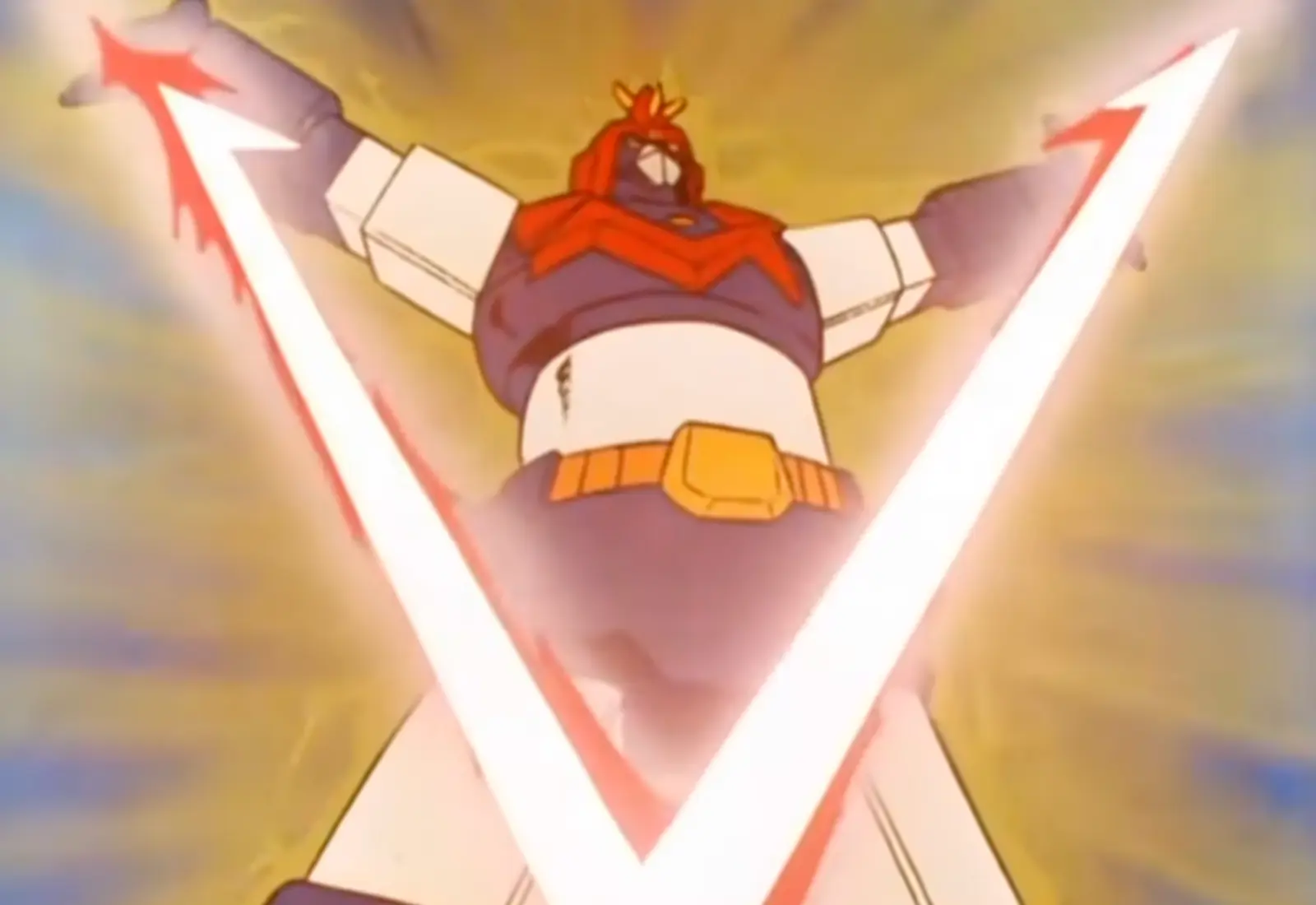
What was in the episode? The final stretch of the series begins with the alien empire tightening its grip as the Boazanian military arrives on Earth to check if Prince Heinel, the leader of the Boazanian attack force, has successfully conquered the planet. We later see that Dr. Armstrong was captured by the forces after the Boazanians found the hidden base of the rebels.
The episode shows how the underground castle of the Boazanian empire remains heavily shielded and very separated from the people it rules. Several bombs were targeting the castle while the rebellion and resistance outside of the fortress grew. The idea of the oppressed population growing courage and bringing the conflict to the seat of the authoritarian emperor would have resonated well during the time of Marcos Sr.
Episode 37
What was in the episode? In the fourth-to-last episode, the five penetrated Prince Heinel’s underground castle while the rest of the prince’s team evacuated for safety. He later finds out that the other generals have betrayed him. Rui Jangal, his loyal subordinate, was left alone to defend the castle and stabbed himself instead of surrendering to the Voltes team. This angered the prince, who planned to confront the five alone as revenge for the deaths of Rui and his other servants.
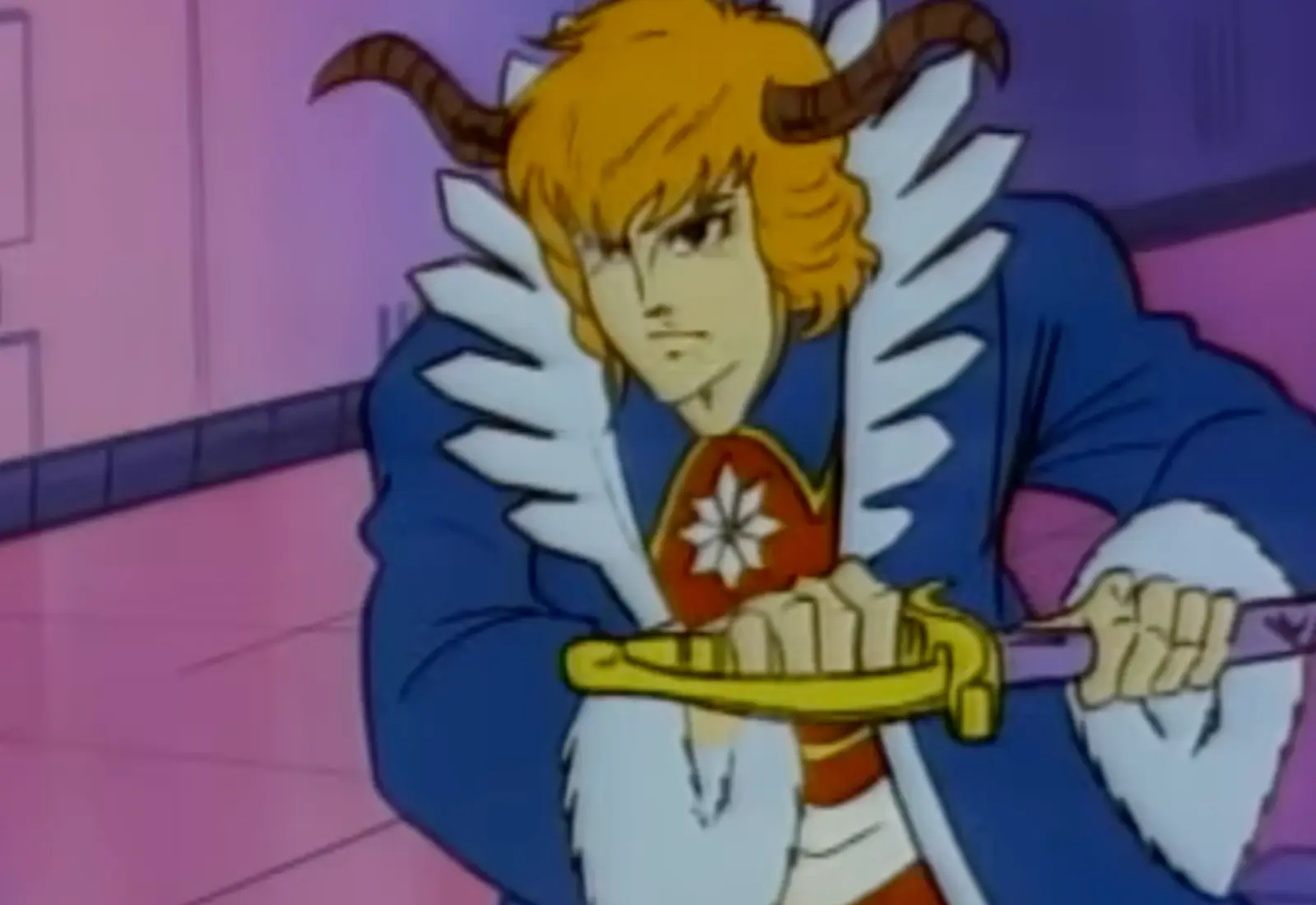
This episode depicts a powerful establishment fracturing from within, with betrayals happening left and right. But despite this, it shows how there was a centralized and militarized system of rule on the planet, akin to Marcos Sr.
Episode 38
What was in the episode? Here, Prince Heinel unleashes his rage through the use of a Magmait bomb planted by the other generals underneath the Earth. General Doir tried to excavate the bomb and later combined the powers of the Big Falcon and the Solar Bird to create a powership that can travel through space, which the Voltes team utilized. The emperor then instructed General Gururu to combat the team’s plan to invade the system.
Now, we see the resistance of the team beyond defending itself and actually pursuing the empire at the seat of its power. A few years after martial law, the country also had an opposition movement that crossed the regime’s defenses and took on the fight directly in the streets.
Episode 39
What was in the episode? The Voltes team manages to slip through a small hole in the Boazanian system and successfully enters the empire. They fight against the defenses of the planet, and General Gururu meets his demise. On the other side, the enslaved people of Boazania grew brave and started an uprising against the emperor.
This episode brings the revolution narrative to a clear turning point, as the Boazanian detainees themselves — those who were stripped of their rights — are already resisting back against the cruel rule of Zambajil. A scene that could have sparked something more in the minds of those under the rule of the former Filipino dictator.
Episode 40
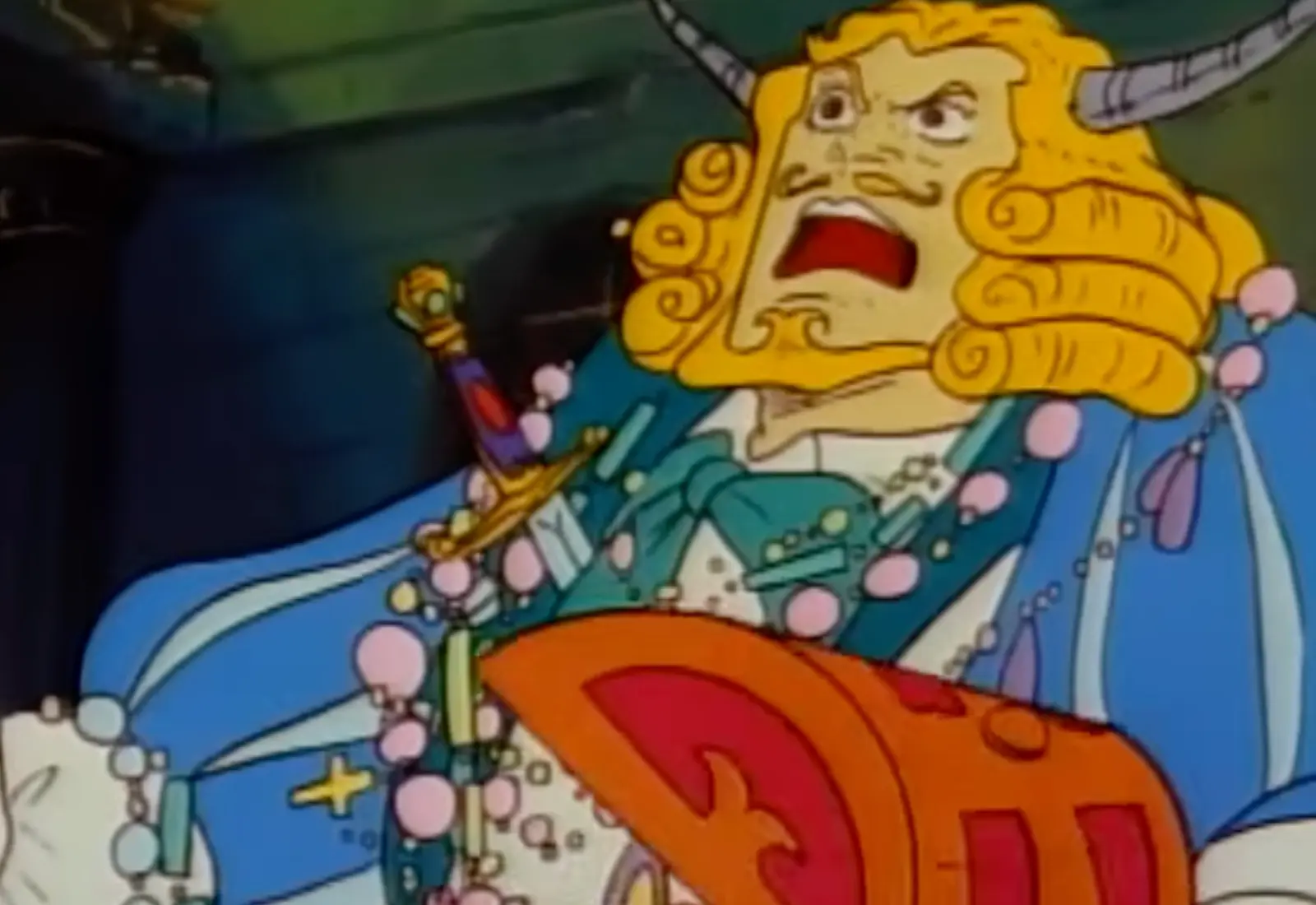
What was in the episode? The show’s finale has Prince Heinel facing the Voltes team in a final battle using the most powerful Boazanian beast robot, Godor, only to discover that the emperor he looked up to actually betrayed his people. After it is ultimately revealed that Heinel is a son of Dr. Armstrong (making him a half-brother of the three Voltes members), the prince kills the authoritarian Emperor Zambajil, and the hierarchy collapses.
With only five episodes left, it could have shown the Filipino people a great revolutionary climax and how the oppressed were eventually liberated. Voltes V concluded with the five heroes defeating and overthrowing the oppressive Boazanian Empire, deposing the corrupt emperor, and reuniting with their father, who was enslaved under the empire.
Although the show’s Filipino dub voice actress, Celina Cristobal, argued that the ban was actually under the advice of the Catholic Church, she still acknowledged that it could also be maneuvered by the administration with a political motive underneath. The show was later re-aired after the success of the 1986 People Power Revolution, which ended the 20-year reign of Marcos Sr.
FREQUENTLY ASKED QUESTIONS
Memorandum No. 13-79 was the 1979 order under Ferdinand Marcos Sr. that pulled the Japanese anime Voltes V off Philippine television, citing “excessive violence” as harmful to young viewers. The show was removed just four episodes before its finale.
The administration officially cited the series’ violent content as unsuitable for children. Many viewers and later commentators believed the real motive was political, given the show’s plot about young rebels overthrowing a tyrannical empire.
Episodes 36 to 40 show the Boazanian empire fracturing from within, the Voltes team infiltrating the enemy stronghold, an uprising among the empire’s own oppressed subjects, and the finale where Prince Heinel kills Emperor Zambajil, ending the regime.
This remains debated. The show’s Filipino dub voice actor said the ban followed advice from the Catholic Church, though she acknowledged the Marcos administration could have used it for political ends, given the show’s themes of uprising against authoritarian rule.
Voltes V returned to Philippine airwaves after the 1986 People Power Revolution, which ended Marcos Sr.’s 20-year rule. The show’s earlier removal, four episodes short of its finale, had remained a point of generational frustration for its original fanbase.
Recommended Video