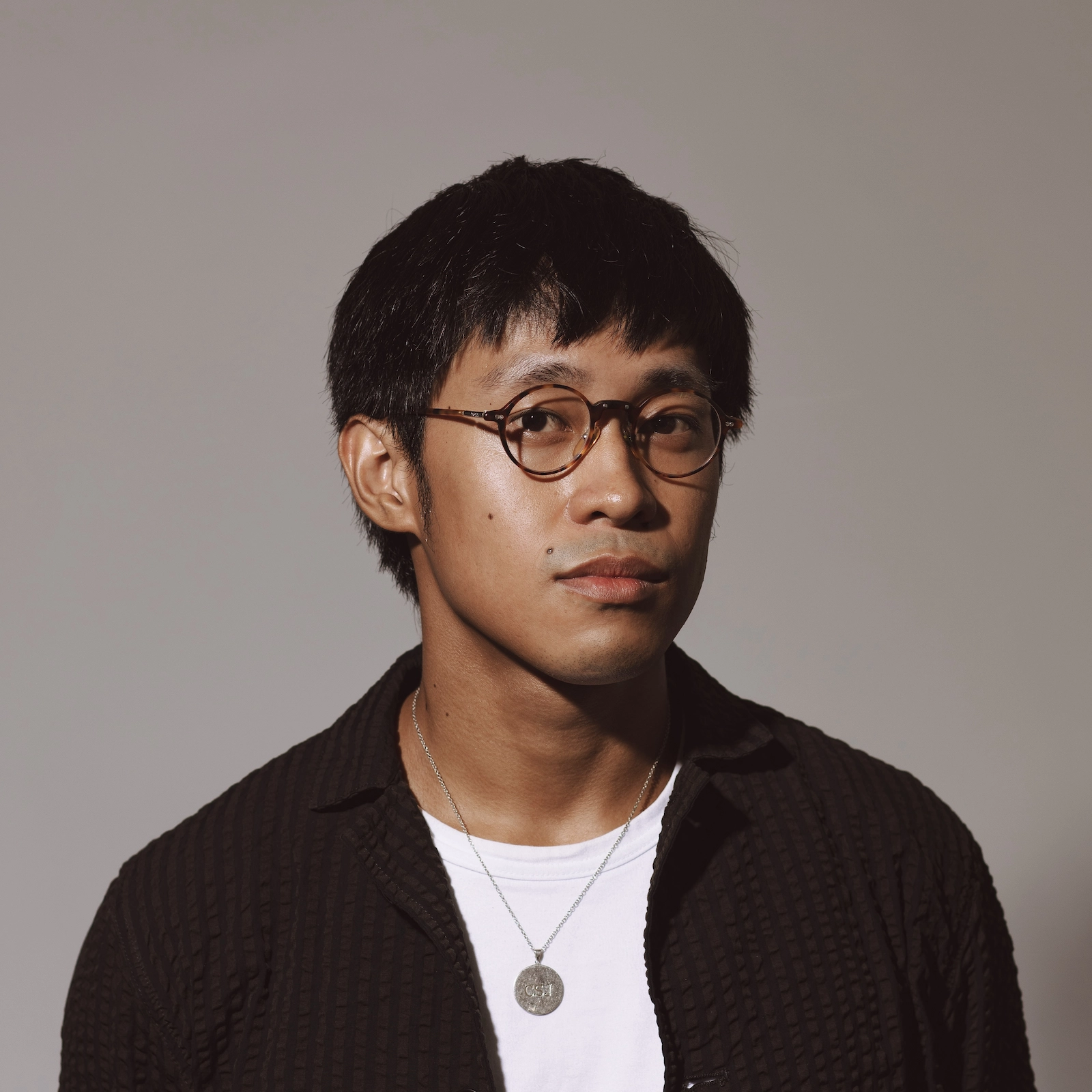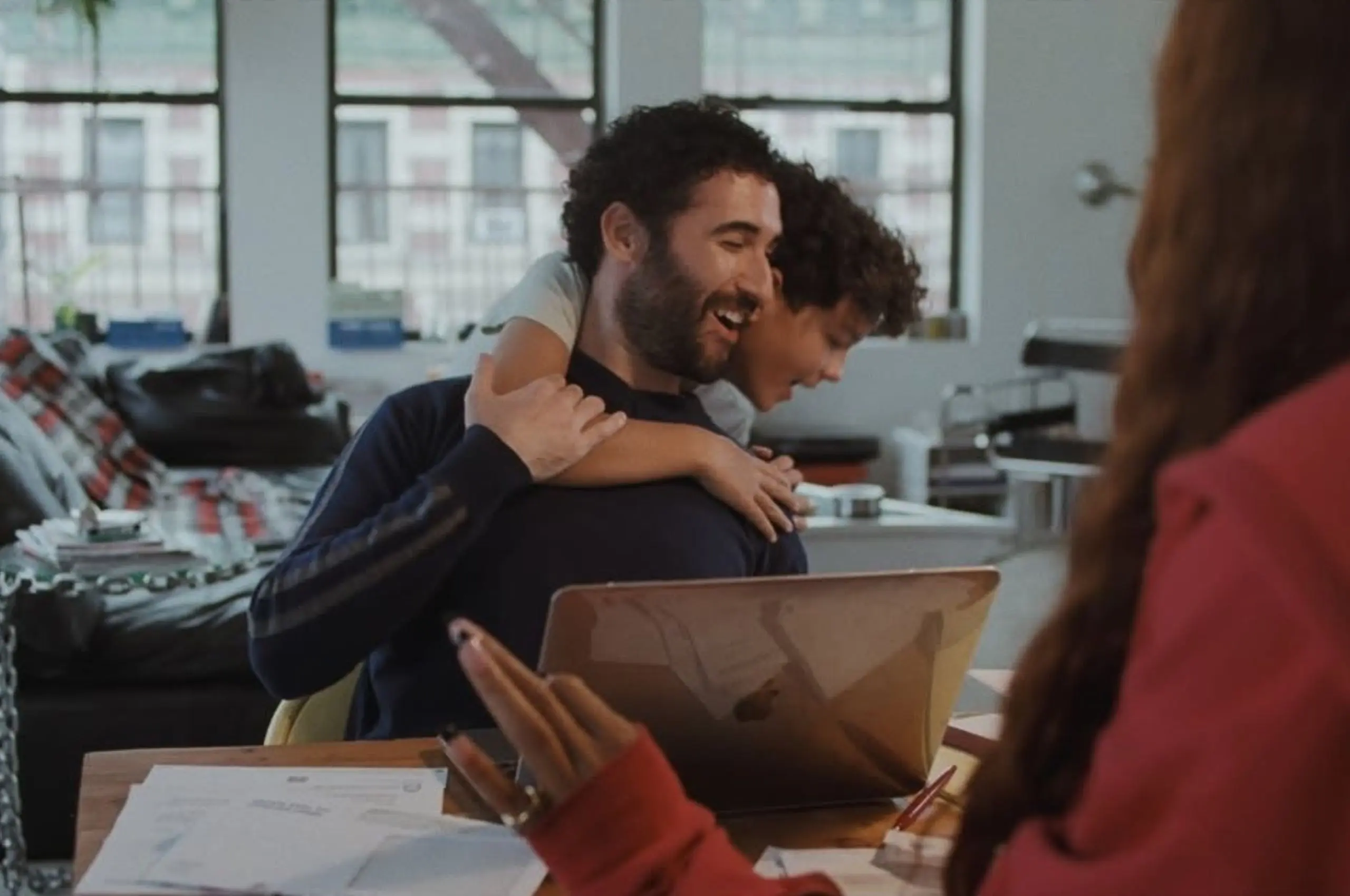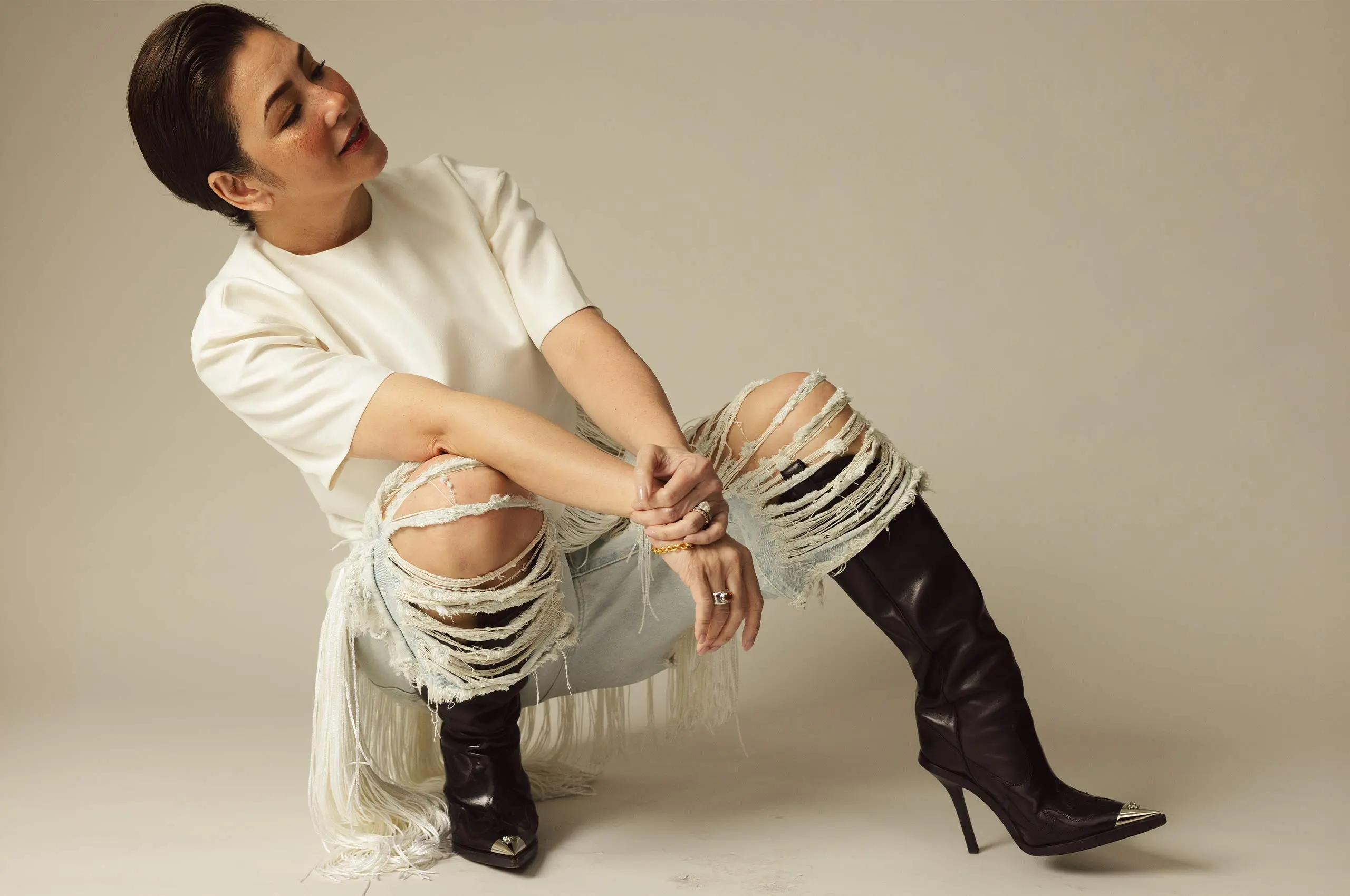


Apa Agbayani, the writer-director of QCinema short film Is This Desire? likes to read the reviews. Hours before our call, he shared a listicle where the film critic Philbert Dy included his 16-minute film, the lone short, among his eight picks that are mostly full features, for being “a lot of fun.”
“I do read all Letterboxd reviews of me,” he says. “I’m interested to know what people think, even if they hate it. Like, I’m nosy. And you can hate it. You’re allowed to hate it, but I want to know.” And three days before its premiere in the QCShorts Program 1, it seems like people are into it. So into it, some are making bootleg merch, much to the delight of Agbayani.
Is This Desire? marks the 34-year-old New York-basedBasedBased is slang expressing approval for someone unapologetically stating their genuine opinion, regardless of whether it's popular, controversial, or conventionally acceptable within discourse. Originally associated with certain online political subcultures,Go to Based Glossary filmmaker’s return to the QCinema International Film Festival, having debuted there in 2023 with the drama Abutan Man Tayo ng House Lights starring Jon Santos and Bart Guingona as ex-lovers who run into each other after 20 years in their once-natural habitats: a rave.
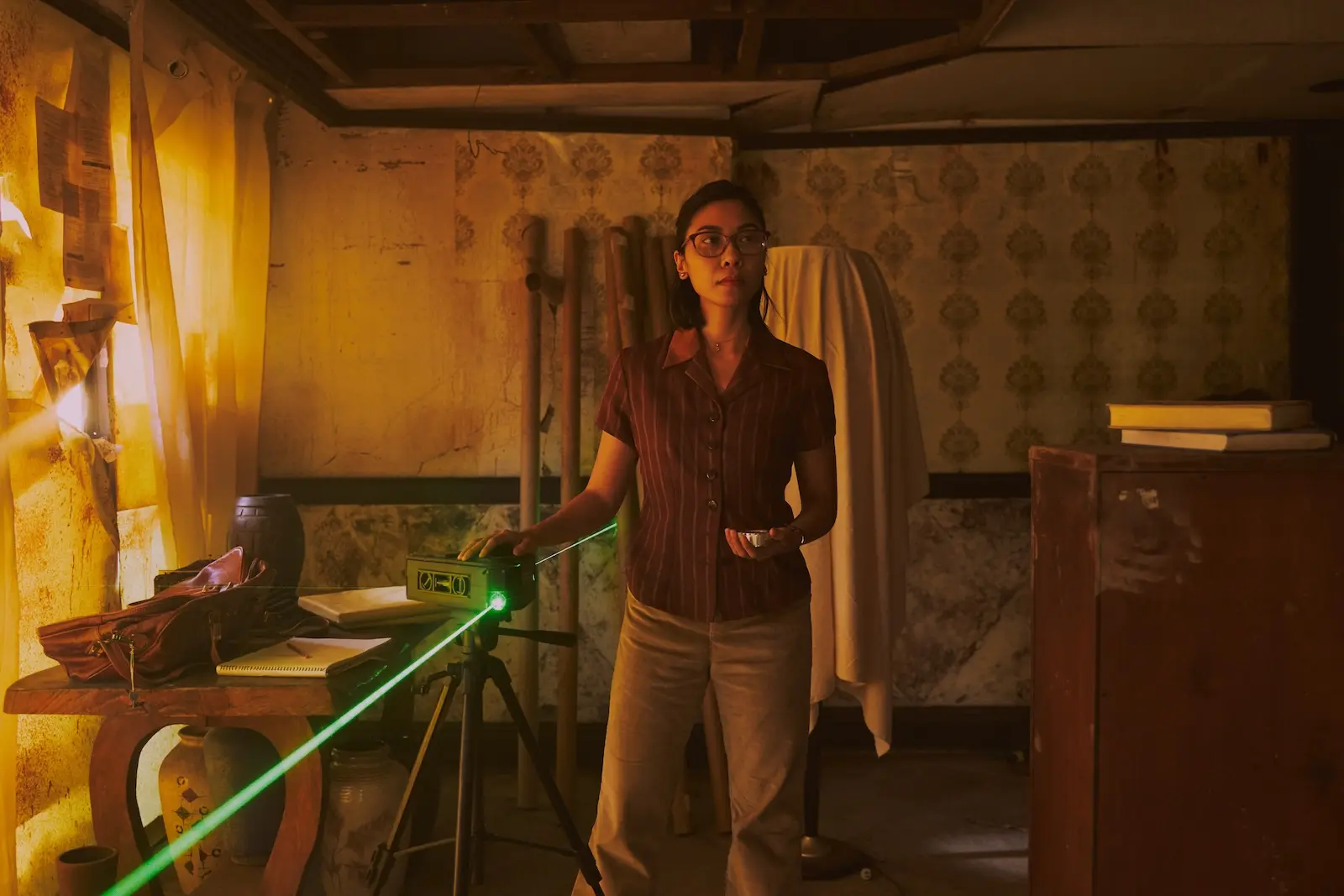
In Desire, Agbayani swaps the striking ultraviolet strobe lights of House Lights for hypnotic laser green that drives his characters into uncontrollable urges. “I think for me, green made sense as the color of desire because I was interested in the fear and discomfort, that kind of unsettling feeling when you start to experience desire,” he says. “Red, I feel, is so easy to be seduced by, and I think that’s not the side of it that this film is interested in.”
What is Desire interested in then? A Félix González-Torres-inspired tableau of a scene of a crime of desire, passion fruits, trip-hop tracks as a stand-in for dialogue, double penetration, a laser coming out of one of the character’s orifice a la Madonna’s Confessions II – The Film, and most importantly, not being defined by a singular genre.
“I was working just really very much on narrative instinct and parang making the kind of film I wanted to make.”
“It has some horror tropes, it has some erotic thriller tropes, but it doesn’t quite easily fit into any of those,” he says. It is for this same reason that it made sense for it to premiere at the U.S.’ largest genre film festivalFilm FestivalAn organized event that screens a curated selection of films, often with premieres, awards, and talks with filmmakers. Festivals are important launching pads for independent and international cinema, and inGo to Film Festival Glossary, Fantastic Fest, under an intentionally vague, “something for everyone” block called Fantastic Shorts, where he says, “all the things that didn’t neatly fit” got together. “We were the oddballs.”
Agbayani couldn’t be home in time for Desire’s QCinema screening, so the next best thing was to hop on a call with its lead, Madge Reyes, to prep her for the Q&A together with her co-stars Elijah Canlas and Ian Pangilinan that will take place during two separate screenings.
What kind of questions did you have to prep her for? About the logistics of shooting intimate scenes (they had an intimacy coordinator on set in Missy Maramara), or why she had to be the way she is in the end.
Here, Apa Agbayani answers these questions about the making of Is This Desire? and then some.
The following has been edited for clarity and brevity.
I want to start with how long did it take for you to create this, from conceptualizing it to the moment it was ready to premiere?
Probably a two-year process from start to finish, from the very first seed. Because Is This Desire was extracted from a featureFeatureA guest appearance by another artist on a song, usually credited as featuring or ft. in the title. Features introduce each performer to the other's fans, and they can sparkGo to Feature Glossary that I was trying to make that I’m no longer trying to make about a house in Baguio and then a group of strangers who are living there at the same time, but they don’t see each other.
And I was like, “Oh, what if we diluted this into a short and then made that as my thesis film for my graduate program?” And so maybe a year and a half after writing that featureFeatureA guest appearance by another artist on a song, usually credited as featuring or ft. in the title. Features introduce each performer to the other's fans, and they can sparkGo to Feature Glossary, we shot the short, and then post was like maybe six months.
How do you formally describe Desire genre-wise?
I didn’t go into it with a genre in mind. And then I kind of just shaped it the way I wanted to shape it, and then came out of it being like, “Oh, I don’t know what kind of film I made.”
Sometimes when you submit a film, there’s a drop-down of like, “What genre is this film?” And I kind of just put it into mystery because… It has some horror tropes, it has some erotic thriller tropes, but it doesn’t quite easily fit into any of those.
I guess I was working just really very much on narrative instinct and parang making the kind of film I wanted to make.
A woman arrives at a house with a dark history. There may be a ghost. So apparently, that kind of registers as the beginning of a horror film. But once the character experiences desire, she gets sidetracked and waylaid, and the rest of the film follows the illogic of desire. It’s just kind of following the instincts of the body at that point.
“It’s also kind of the encounters that can happen in a derelict space like this. Anyone could kind of just be hanging out there, and those are the people that you witness and are drawn to.”
The plot goes: “An architect — a woman in STEM — comes to survey a derelict mountain mansion and then finds herself haunted by the presence of two strangers in the house.” Are they strangers? Like in the story development, wala talagang interconnectedness ‘yung lives apart from the desire they share and experience, or the house itself?
Yeah, I think for me, it was always the raw feeling of desire that you experience when you see a beautiful stranger. Madonna mentioned! But it’s kind of that kind of primal feeling.
And for me, it’s also kind of the encounters that can happen in a derelict space like this. Anyone could kind of just be hanging out there, and those are the people that you witness and are drawn to.
You just described cruising.
Yeah. [Laughs] Is this a cruise?
How did you convince Madge and two hot guys to get into a threesome? But also, did you have to tell Peewee O’Hara there’s going to be a threesome? Or hindi na ba sya involved dun?
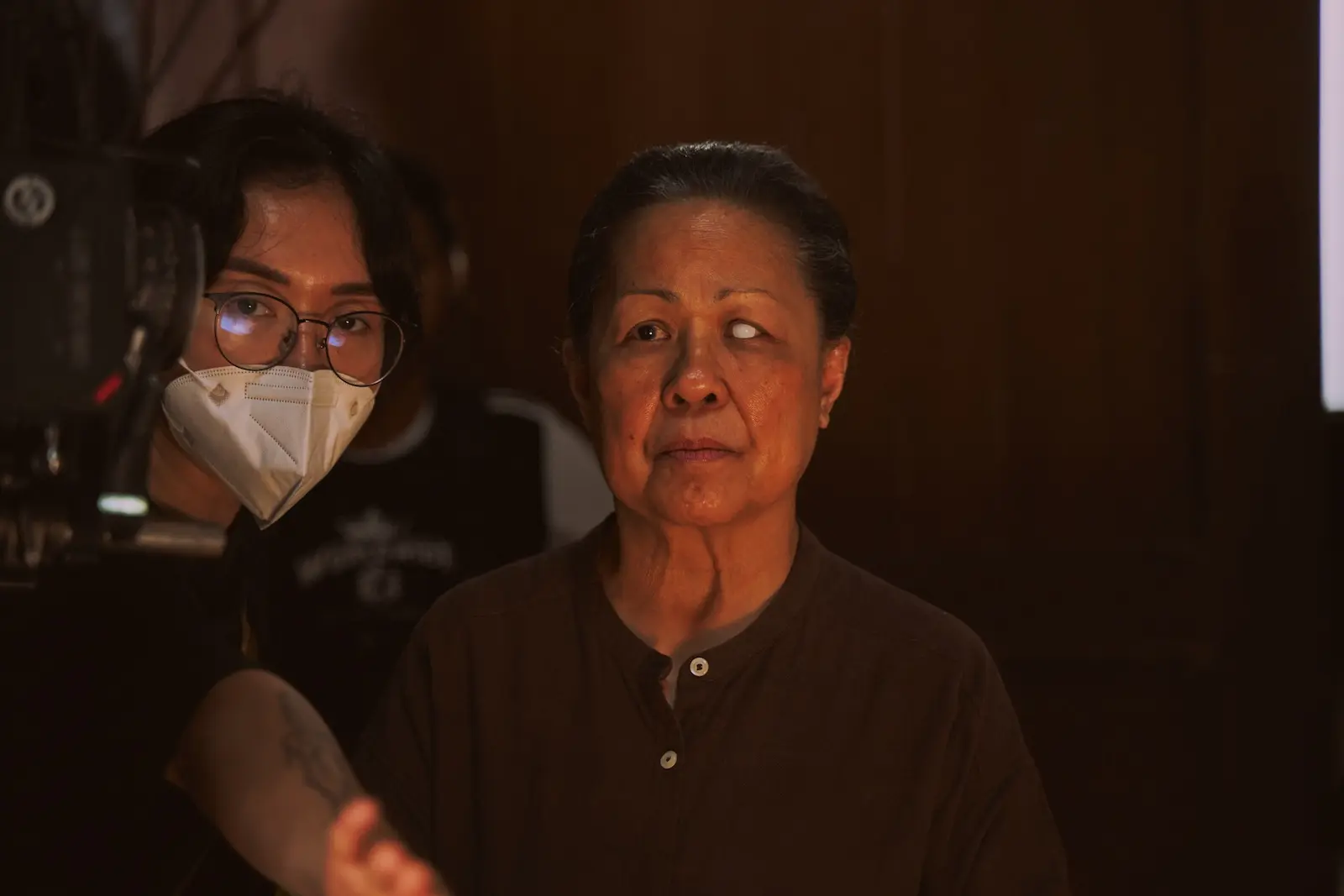
I think everybody got the whole script. Though Tita Peewee and I just talked to her about her scenes, but everybody gets the full script. Always.
And then, how did I convince… Parang niloko ko sila ‘no? [Laughs] I think casting was one of the big challenges of this film.
Madge was the first piece of the puzzle that I had. I was having trouble casting actresses because I felt like, energetically, it’s a role that is kind of daunting for someone in the industry to do. And so I went to, I started thinking like, “Okay, who among my friends energetically suits this material?” And the first and last person I thought of was Madge.
And when I emailed her, I was like—
Wow. Email. Are you really friends?
We are, but I do believe in using the proper channels. Professionalism is essential. The subject line of my email was “Is this crazy or is this desire?”
Marketing. Okay.
The boys, I hadn’t worked with either of them before, but I knew both of them. I sent them a crazy script and was like, “Hey, do you want to do this?” And I think everybody was excited to try something new and unusual. And for whatever reason, they trusted me. I don’t know if anybody should.
Why set the film in Baguio?
Baguio is my mom’s hometown, so growing up, we would be there very often. And I’ve always thought of it as a place where the veil is very thin between the spiritual world and the physical and the material world.
The story of the house is really interesting. That was an indigenous plot of land that was seized by the Marcoses in the ‘70s. They built this rest house on that land in the ‘80s. After they were deposed, Tita Rose Labutan, who was one of the indigenous landowners, sued to get the land back, and she won.
So, now she and her family are kind of living in a part of the house. But it’s too big for them to maintain and use the whole house, so they do rent it out for stuff.
So there’s also like an indigenous victory at the heart of this film. A victory over fascism. The fascism of heteronormativity. [Laughs]
You said earlier that you didn’t want to kind of pigeonhole this into a single genre. Then you did Fantastic Fest, which is one of the biggest genre festivals in the U.S.
It was interesting. Everything was kind of very neatly organized, and then there was one block that was just called the Fantastic Shorts. All the things that didn’t neatly fit, and we were grouped with like a body horror comedy, and then kind of like just an eerie band movie. So we were the oddballs.
I think among the filmmakers, we were all kind of like banded together around each other’s work and were just kind of drawn to each other’s work.
I think one comment I got was how all the objects in my film are imbued with desire. I’m like, “Yeah.” The manibela, prutas, basketball.
My favorite thing in the movie was the tarpaulin that glows green, the “portal” she enters. It was perfect. Real life.
I think in an older version of the script, that was like a fake wall.
When we first saw the house, I saw that there was a hidden stairwell. So I wrote the scene specifically for that stairwell. And then it was initially, there’s supposed to be like a fake wall that she, being the architect, was like, “Oh, this is a fake wall. I can open it.” And I was just like, “That’s stupid. Why would she knock on the fucking wall?” That’s why I said tarp na lang, and I think it worked beautifully na parang the light is what draws her.
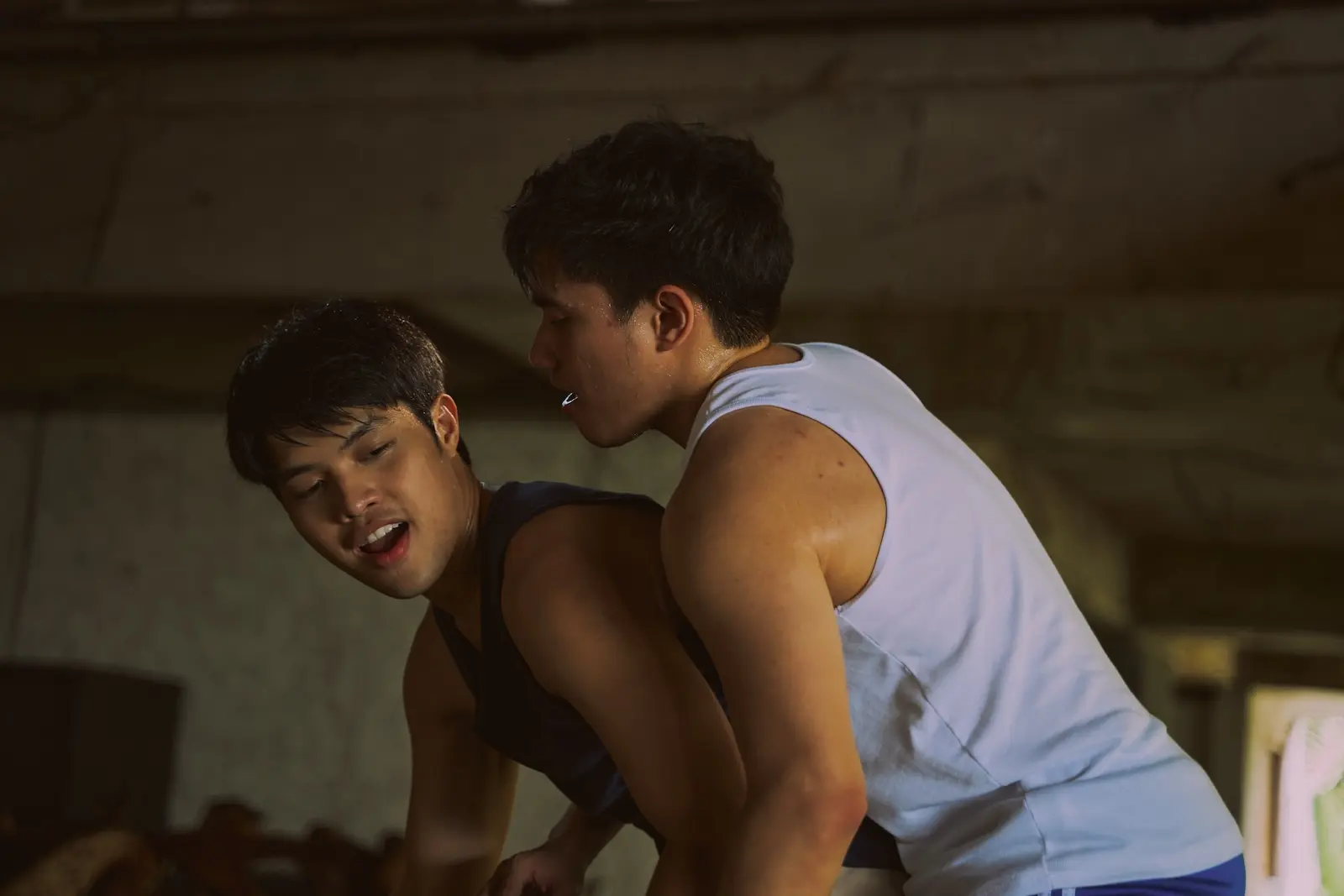
So basically, the boys and Madge, they did not have any dialogue, but when you introduce Madge and then Peewee, they had a dialogue, right?
That’s another featureFeatureA guest appearance by another artist on a song, usually credited as featuring or ft. in the title. Features introduce each performer to the other's fans, and they can sparkGo to Feature Glossary of the film: I wanted there to be as little dialogue as possible. It becomes a completely wordless film after three minutes.
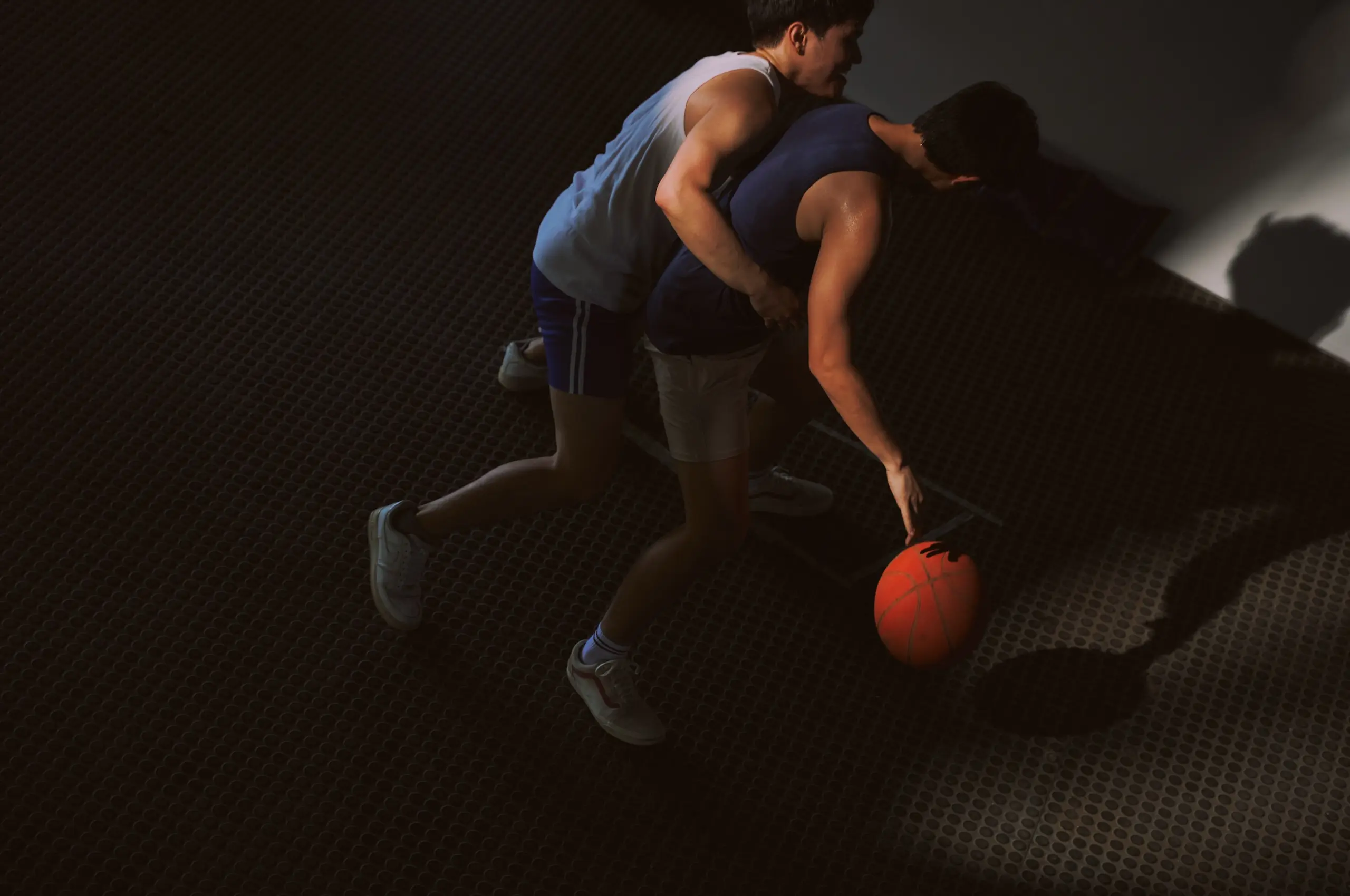
I think the first draft must have had a scene where Peewee’s character was welcoming the boys also, but I thought it would work better when our first experience with the boys is also the experience that Madge’s character has: she hears a sound, she doesn’t know what it is, and then she sees two beautiful boys playing ball.
And so from then on, it relied mostly on ambient sound and music. And then I found out later in the credits that you worked with King Puentespina. What was that like?
I think I first approached King with a playlist of trip hop songs because I feel like trip hop is such a desirous genre. It’s so in the body. There was Massive Attack, POiSON GiRL FRiEND, William Orbit-era Madonna, and I said, “Okay, this is the vibe.” But we never know what we’re working with until we’re in post.
Once we had a cut, we found the places where we wanted to put music, and then he wrote for those parts with the timing.
There was a point where one of the tracks was trying too hard to be sexy, if that makes sense. And then I was like, “It’s not scary enough. Maybe if we take out the percussion?” And when he took out the beat, it became the score when she’s going down the stairs. I was just like, “It’s suggesting too much. It’s a hat on a hat.” [Laughs]
I think we, Tara Lim and I, who did the sound design, were very intentional also in the background. A lot of the sound was written into the script. When Tita Peewee’s character is telling the ghost story, I was like, “I want that to be the way we evoke the past.”
And speaking of other desirous objects, apart from trip hop, I want to ask you the most serious question of this interview: why passion fruit? What do they tell you in film school about eating fruits and desire?
I didn’t learn that from film school; I learned that from life.
I think eating fruit is such a delectable, messy, sometimes gross experience. You come out of it with sticky fingers — and you can come out of a lot of experiences with sticky fingers — but I guess it felt like a good kind of parallel to kind of have that depict the transformation that the character undergoes. She finds the fruit, and she just gives in to the fruit first before giving in to the desire.
And I think passion fruit for me is a very sexy fruit to eat because it’s messy, you kind of have to squeeze it out of the skin, and then the flavor too is… How do you describe the flavor of passion fruit?
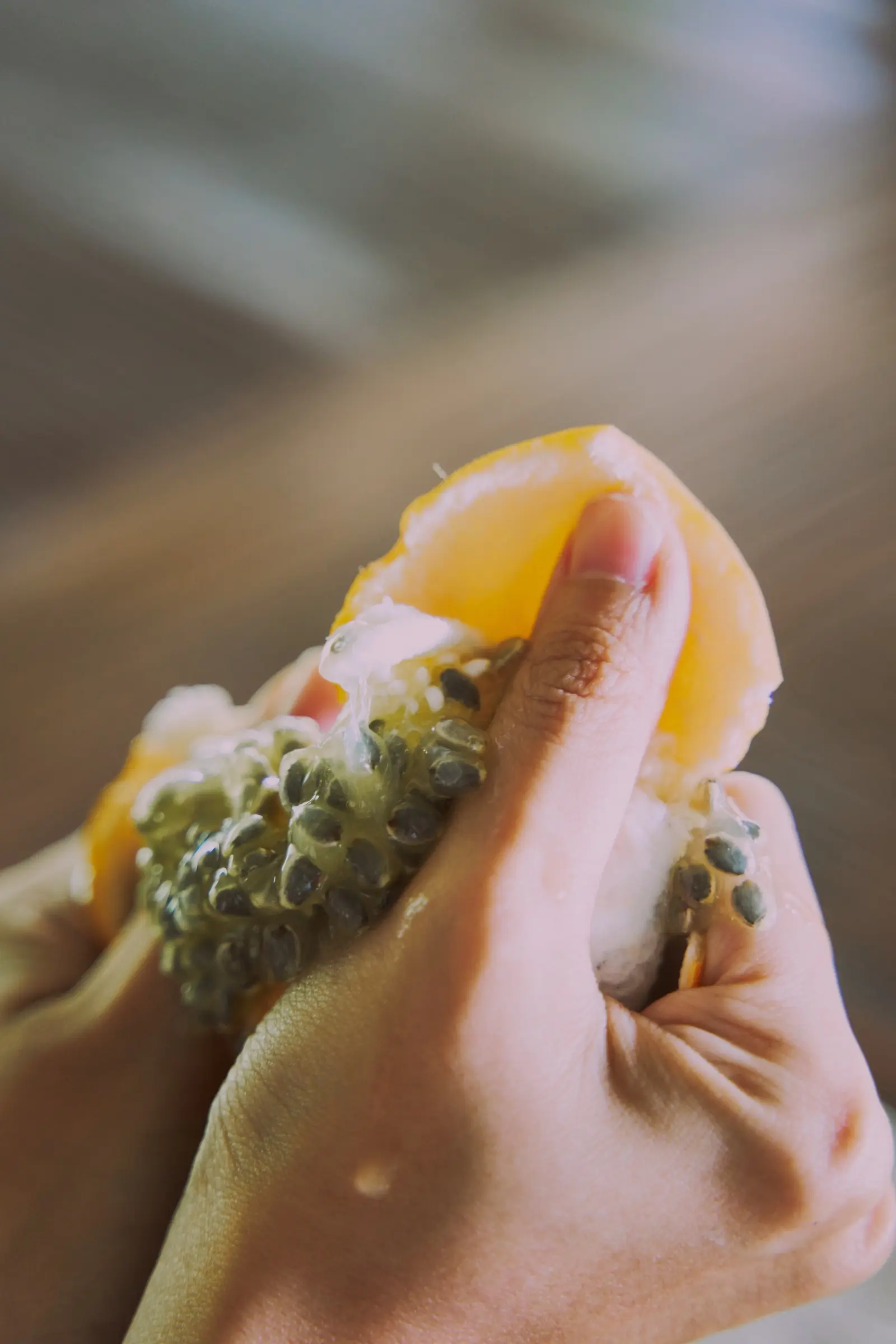
Tart? I stand by my observation na hindi sexy ‘yung crunchy seeds.
But what is desire without a degree of resistance?
Ever heard of lube?
But if there’s no pressure, there’s no pleasure.
I want to talk about your light choices, specifically the use of reflections and then the green light, the lasers, and then sort of the darkness around the house and how it plays into the narrative storytelling of the film.
I always thought of this as a story about people separated within space. And the wily nature of the house being kind of just like having different levels and having like parts where you can’t see each other. And to me, light was the way that they reached each other.
Also, the laser at the start is kind of her tool to make sense of the house. But eventually, she loses control of a thing that is supposed to give you perfect straight lines and perfect measurements. It transforms into the light of desire.
Who did the performance with laser coming out of their pussies?
Madonna, the [“Confessions II – The Film”] music videoMusic VideoA short film made to accompany a song, combining visuals, performance, and storytelling to reinforce the music. Since the days of television, music videos have been a space for creativeGo to Music Video Glossary. “Good for the Soul.” I was just like, “Goddamn. We’re on the same wavelength.” Madonna mentioned again!
Let’s talk about green, because green in horror is like, ew. Like, especially pre-Brat. But then here you kind of use it in a way that incites longing, carnal pleasure.
I think for me, the green made sense as the color of desire because I was interested in the fear and discomfort, the kind of unsettling feeling when you start to experience desire. But it’s also like green, I think, is also so alluring and hypnotic that you can’t help but push past that unsettled feeling into it.
I was thinking about it in contrast to red, which I feel like is traditionally the color of passion and desire. Red, I feel, is so easy to be seduced by, and I think that’s not the side of it that this film is interested in.
Mention Lorde!
“I’m waiting for it…” Did I think about Lorde when I was…? Not really. I was talking to Madge about this. She was like, “Oh, yeah, because green means ‘go.’” Desire is a propulsive force. Desire is the gasoline of the human body.
“The morning after is always kind of a great place for denouement. How have these people been transformed by the experience that they’ve had?”
Then towards the end of the short, so all-nighter ‘yung threesome. Inumaga.
Baka naman nag-start sila like 4:30 a.m.?
If I remember correctly, House Lights also had a similar scene na inumaga sila.
Oh my god, I didn’t realize that. Both of those films end at sunrise.
So, what is it about a morning after for you, especially in the context of ecstasy in House Lights and then pleasure here, that makes you want to end your films that way?
I love that you asked this because I didn’t think about that. Your mind. But I think that the morning after is always kind of a great place for denouement. How have these people been transformed by the experience that they’ve had?
It’s a great place to leave the audience. One of the rules of narrative has always been to arrive as late as possible and leave as early as possible in a story. I don’t need to know her life before she was in Baguio. I don’t need to know what she was doing and where she came from. And I don’t need to know where she’s going after she leaves. It’s over.
Then it fades to green, right?
I think in the first early version, she just kind of walks away and then looks back, and I’m just like, “Well, that’s boring.” “How can I just end the movie with her just kind of walking away?” We want to visually express how she’s been transformed, and now the light of desire comes from within.
“Desire, I want to turn into you.”
And she did that. [Laughs]
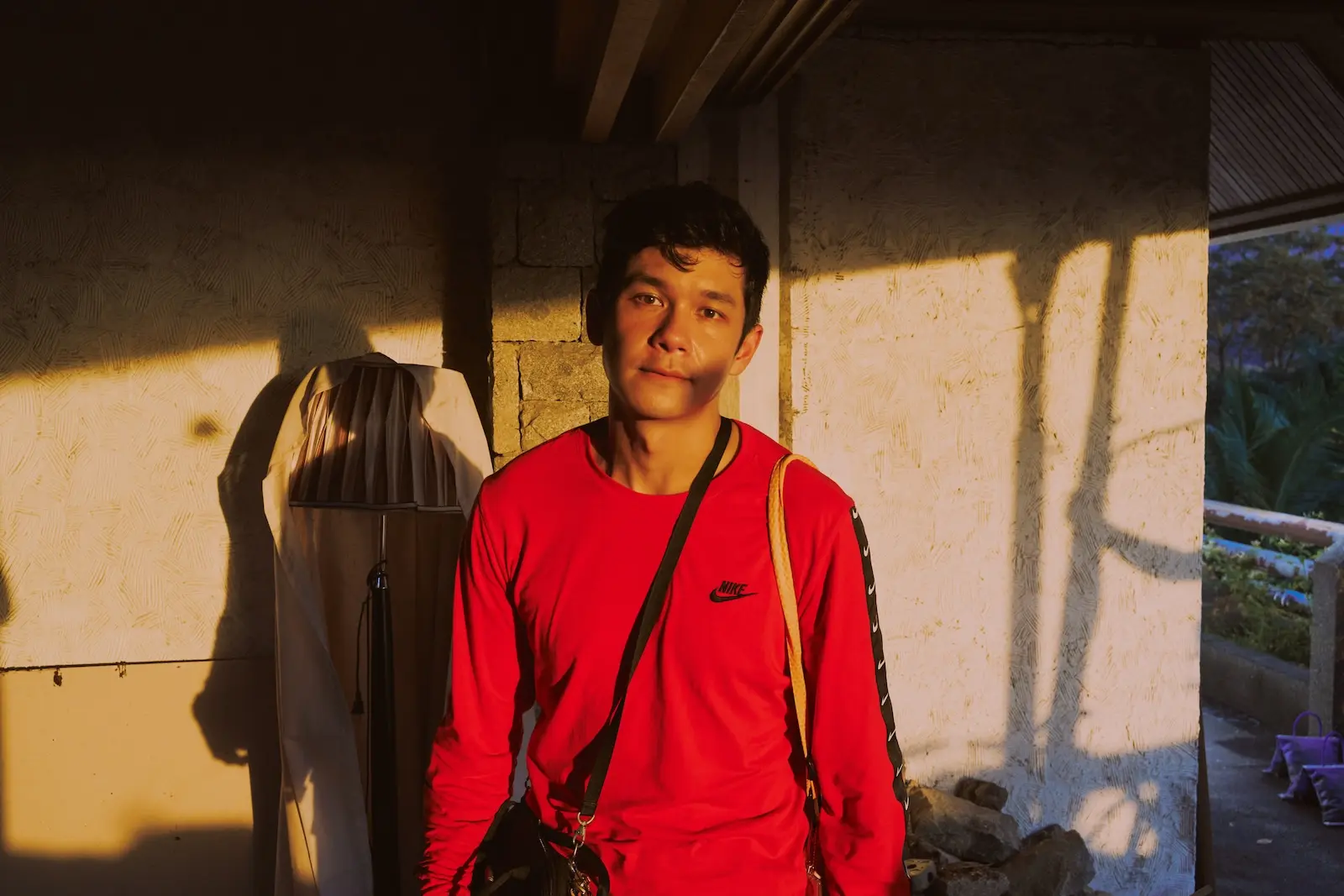
I have a few questions about the credits. Si Paolo Abad got to edit this pa?
Oh my god. Yeah. Thank you for asking about it. This is Paolo’s last film. He’s my friend and editor, whom I’ve worked with since 2014. So, more than a decade of working together.
He got sick at some point in the post-production process and passed it over to me. He passed away maybe a year out from when he was cutting it.
He loved this film. He didn’t want to let it go. He wanted to like work on it throughout and try to do a good job as he always did.
It was one of the most essential collaborative experiences of my life. It’s a soul bond. But I’m gonna miss working with Pao.
And then you had the what do you call your team of people who help? Teammates?
Ah, Seatmates on a Streetcar Named Desire. I don’t like to use “special thanks.” I always theme it to the film. Like in House Lights, it’s On the GL. And then in Somewhere All the Boys are Birds, it’s Emotional Support Birds.
One of the people you list there, and it’s interesting, is Félix González-Torres. As in the artist?
Thank you for bringing this up. Another thing that I forget to talk about is that he might be my favorite contemporary artist because he does so much with space and imagery. And I’m always trying to kind of figure out how to shoot space and experience space in a very rich, deep way.
And there’s a shot in the film that’s directly inspired by “Untitled” (billboard of an empty bed, 1991). It’s the shot where Peewee’s character is telling the ghost story, and you see the bed where the killing happened. It’s evoking the sense of both absence and presence by showing an empty space, a space with no people. The traces of the people who were once there are there. And you feel that tension.
That’s all of my questions. But can I ask what kind of questions are you expecting from the QCinema crowd that you had to prepare Madge for?
I told her at the start of kind of the meeting na parang, “I’m not expecting you to speak for me. Like, speak to the film from your experience as a collaborator in this process.”
And I kind of just wanted to answer whatever question she had about it. And I think she asked about like, “What’s the light?” “Why am I naked at the end?”
“Am I bi?”
That’s another thing. But we didn’t prep this one. But I always thought of it as a queer film about straight people. If you ask me what the SOGIE of these people are, I don’t really have an answer. Like, the point is that desire finds its way to you.
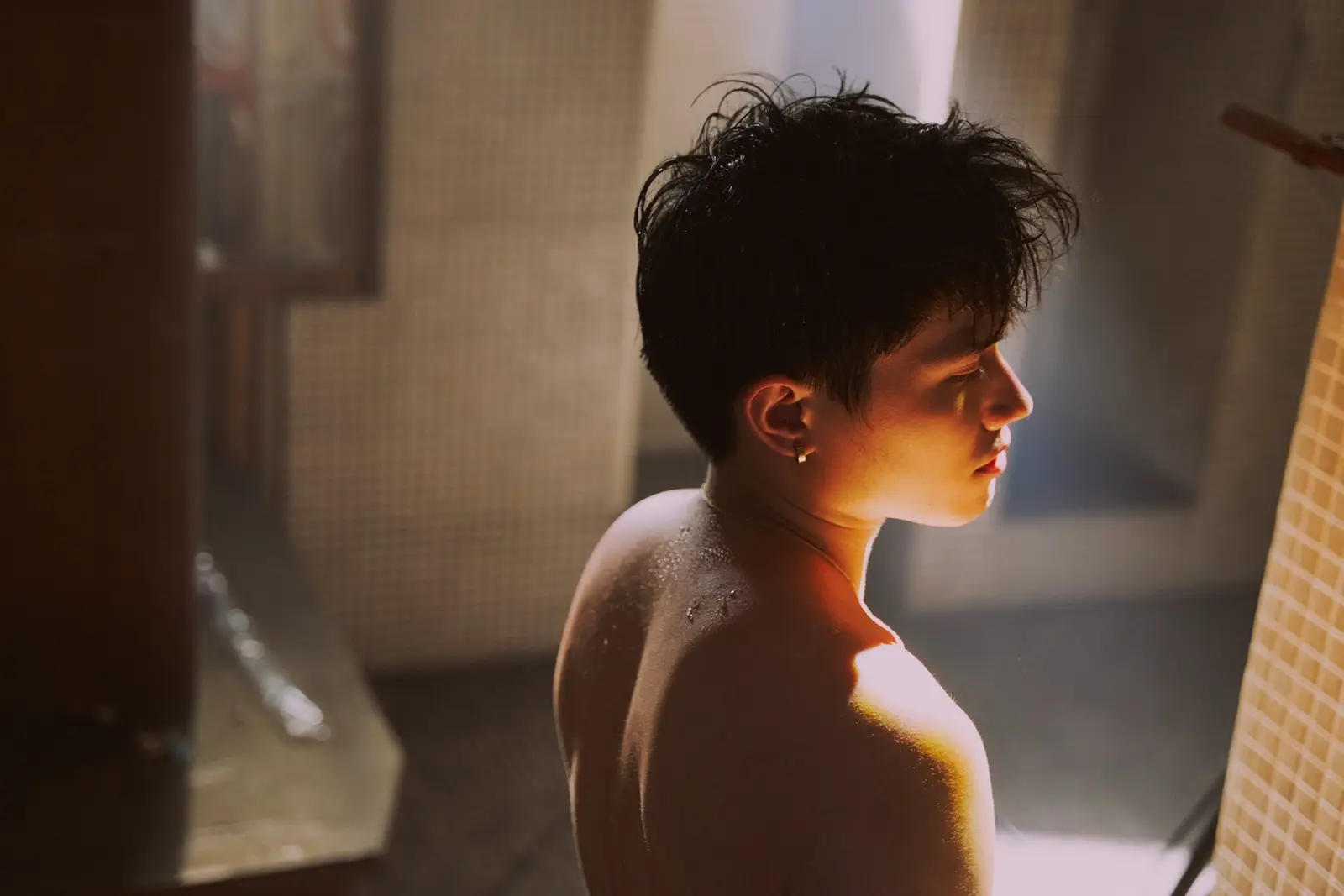
Is This Desire? is part of QCinema’s QCShorts with select screenings until November 21.
Recommended Video