

Filipino independent musicians have yet to fully grasp what is going on in the music industry today. Some go against the grain, remain fully independent, and enjoy making music while maintaining a stable daily life, while others compromise their craft in order to achieve the ideal musical life they want.
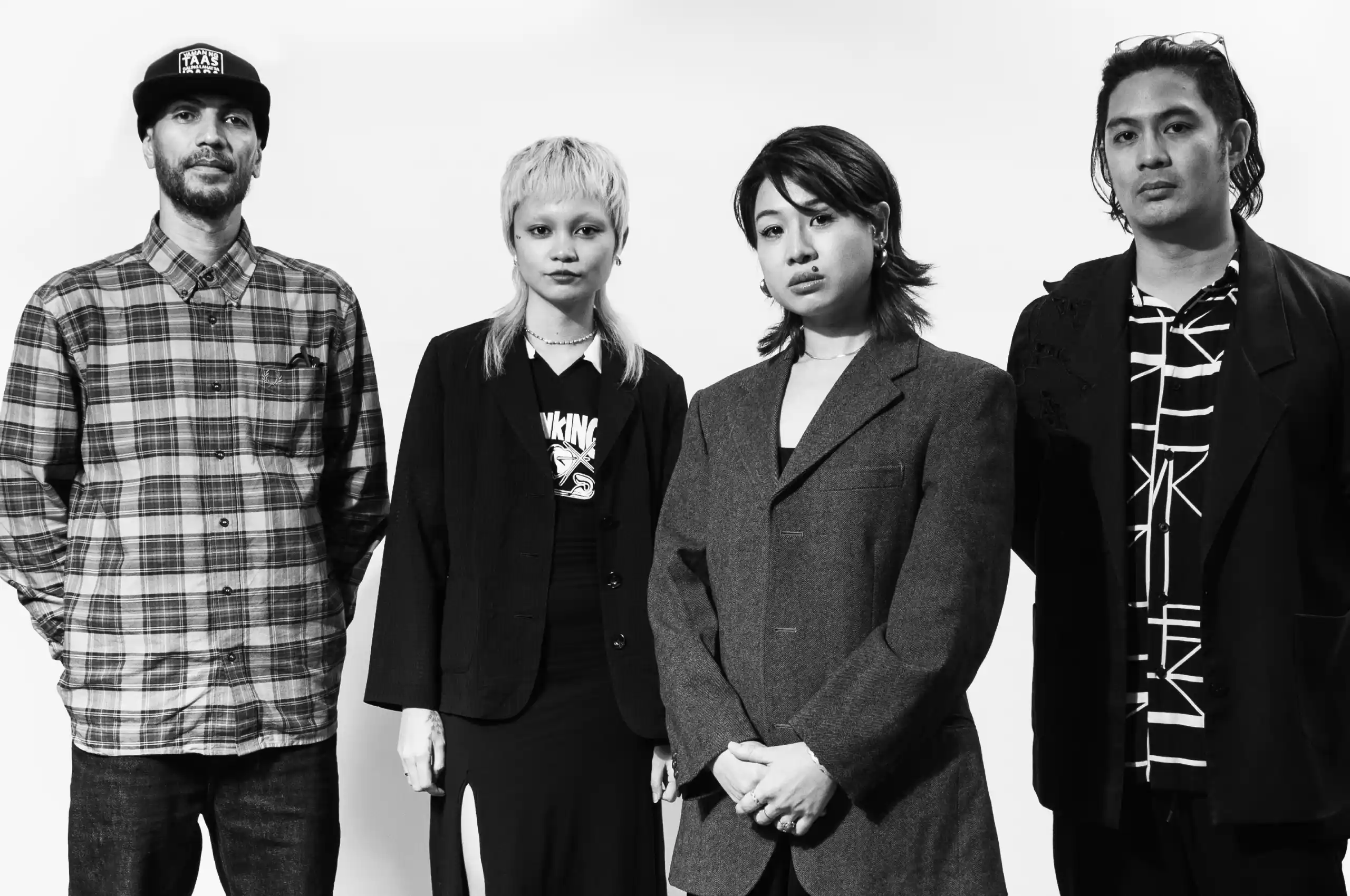
In the latest Rolling Stone Philippines Roundtable episode, music producer Nick Lazaro, sound producer and artist Aly Cabral, producer and emcee DJ Medmessiah, and singer-songwriter August Wahh break down the nitty-gritty of working with labels and how they navigate the ins and outs of the music industry.
They discuss the nuances, weighing the pros and cons of making a living entirely off music, and whether there will come a point where people in the Philippine scene can sustain that kind of life, while also helping younger audiences understand the realities of being an independent musician. “Be versatile, you’re still human beings, you can do more than just be rockstars,” Lazaro says during the discussion. While building an audience is important, balancing creative ideas with what a label wants remains a constant challenge. Lazaro, who also owns the recording studio La Balls Recording Studio, has seen how ideas flourish with independent artists in real time.
“I don’t think any conventional label wouldn’t want [those ideas] because they want quantity over, not just the quality but sincerity from the artist as well too,” Lazaro tells Rolling Stone Philippines. “It’s really cool being independent because I feel like I kinda do what I feel.”
Choose Your Battles
DJ Medmessiah, who helps run the hip-hop collective Morobeats, is headstrong about his commitment to not only his genre of boom bap, but also maintaining freedom to pursue his artistry.
“Madali lang mag-develop ng artist ‘e pero yung sticking to yung patience hanggang masusubukan ka,” Medmessiah says. “Kung hanggang 20 years hip-hop ka pa rin ba or are you going to switch to pop dahil it didn’t work out for you? Doon mo makilala mga artist ‘e.”
In the music business, it’s crucial for independent artists to understand the mechanics behind the industry, from royalties and streaming platforms, to the cost of live shows. R&B artist August Wahh, who, in October 2025, traveled to Australia to showcase her music at SXSW Sydney learned the hard way about the realities of the music business, particularly when it comes to ownership.
“I want to own my masters more than anything, I’m not giving that to anybody,” August Wahh says. “Here in the Philippines, we don’t have proper music business laws, so when I got handed that [label] contract, this doesn’t apply here.”
Similar to Lazaro, Aly Cabral has worked with a range of collaborators, including mass organizations and corporate clients. She spoke about the need for more alternative business models that don’t focus on profit.
“We need to reinforce those alternative models that are not capitalist and more bayanihan,” Cabral says. “I think in this day and age, it also lessens the drive for other people to take on roles that are not necessarily musicians and who are also equally important like sound engineers, managers, agents, mga accounts.”
“I guess we have that lack of knowledge with the general scene and community na these are the things that are ought to be done, these are the right ways to do it, that people don’t really see other ways out of it.”
Watch the full episode of Rolling Stone Philippines Roundtableon our YouTube channel.
Frequently Asked Questions
The roundtable featured music producer Nick Lazaro, sound producer and artist Aly Cabral, producer and emcee DJ Medmessiah, and singer-songwriter August Wahh discussing the realities of the Philippine music industry.
Lazaro, who owns La Balls Recording Studio, said labels value sincerity and quality over quantity, adding that independence allows him creative freedom: “I feel like I kinda do what I feel.”
August Wahh said she refuses to give up ownership of her masters, criticizing the lack of proper music business laws in the Philippines that leave artists vulnerable when signing label contracts.
Cabral called for reinforcing non-capitalist, “bayanihan”-style business models in the music industry, arguing that a lack of general knowledge about alternatives keeps artists locked into limiting structures.
The full episode is available on the Rolling Stone Philippines YouTube channel, featuring an extended discussion with Nick Lazaro, Aly Cabral, DJ Medmessiah, and August Wahh.
Recommended Video