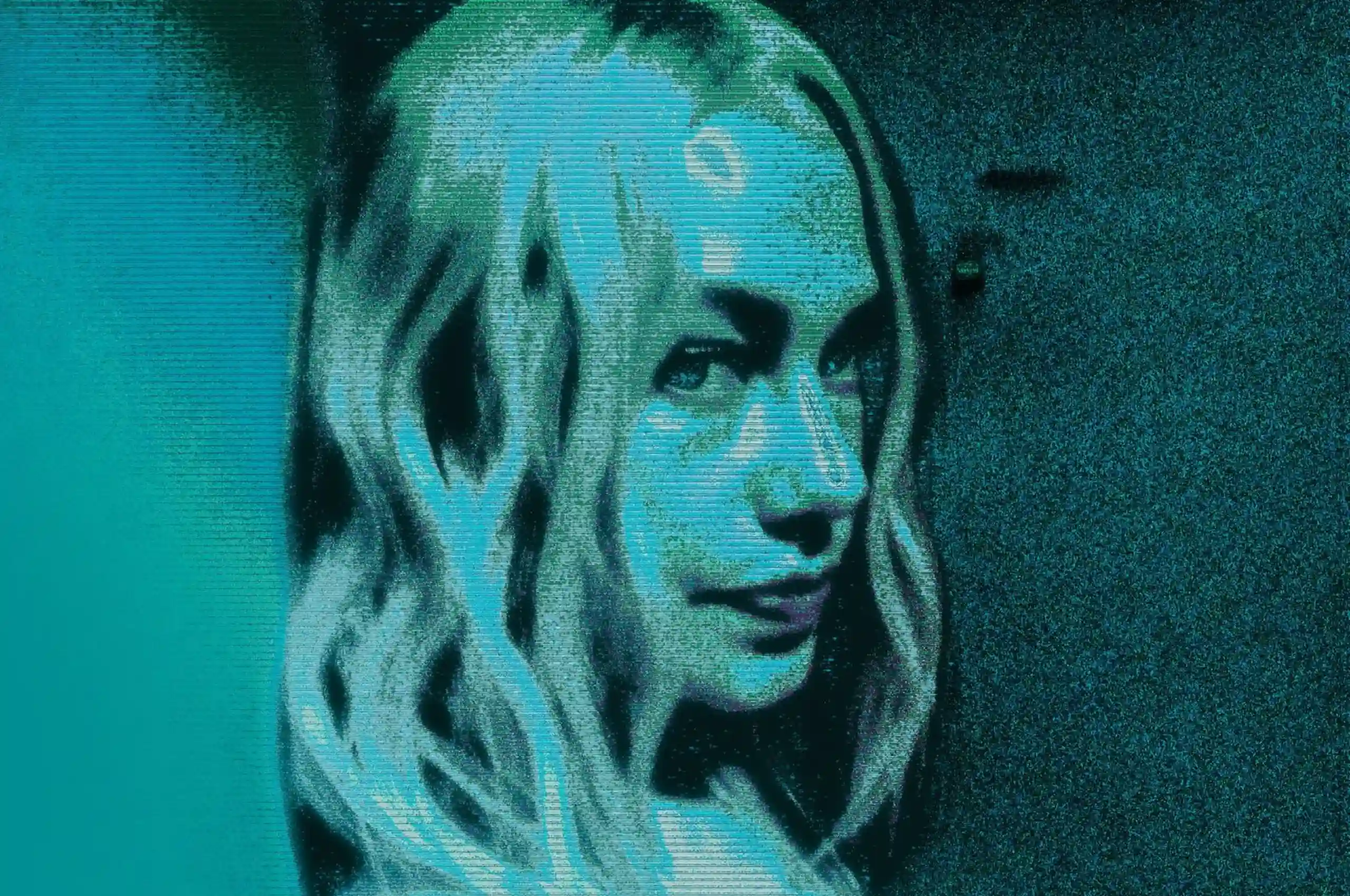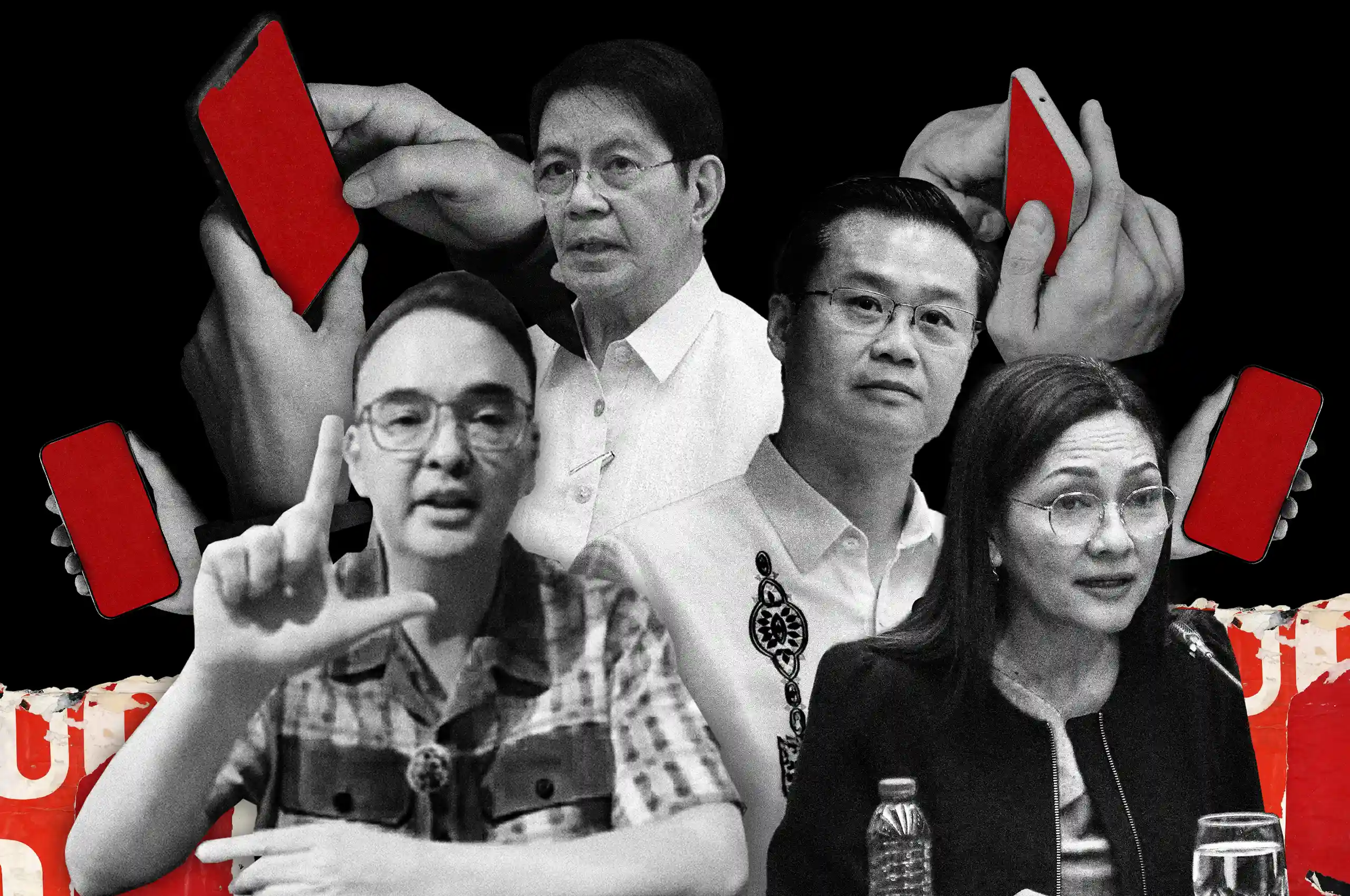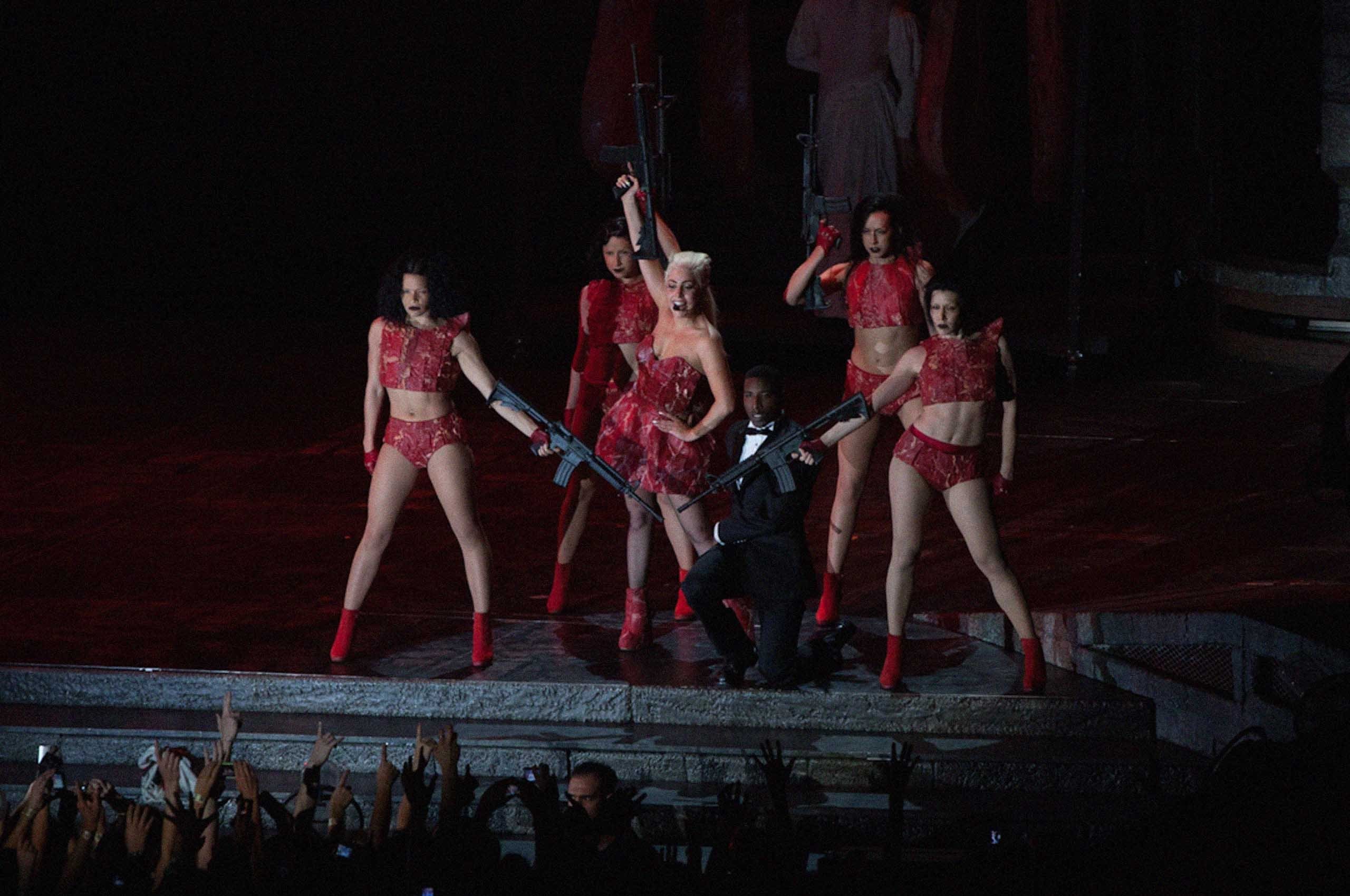
In 2012, pop icon Lady Gaga was scheduled to perform in Manila for two nights at the Mall of Asia Arena on May 21 and 22. Conservative religious groups and government officials threatened to stop the concert under Article 201 of the Revised Penal Code, which states that a person or group can be arrested “for violating the laws of the land, especially on the areas of obscenity, sexuality and defamation of our own religious belief.”
This row took place in the middle of lobbying for the Reproductive Health Bill, a then-controversial piece of legislation that aimed to improve access to contraception and maternal care, which was fiercely opposed by Catholic and Christian groups. These same groups deemed Gaga’s image and music as obscene – especially her song “Judas,” which talks about a woman who was betrayed by a man she loved, referencing him by the biblical name of Judas.
In a DZBB Super Radyo Report, Manila Mayor Jose Atienza said the singer and organizers could face punishment for offending a race or religion. The penalty ranged from six months to six years in prison, which added concerns about state censorship of artists visiting the country.
But this didn’t stop Gaga from pushing through, who chanted the outro of “Bad Romance” before declaring in front of the crowd: “I am not a creature of your government, Manila.” Seconds later, she belted the first lines of “Judas,” prompting a wild cheer from the audience.
As her concert reached its halfway point, Gaga sat on her motorcycle-piano with a Philippine flag on its bumper. She opened up to her crowd of thousands, saying “it’s not about the music.” She says: “It’s not about anything. It’s not about my clothes, it’s not about having hit records. It’s the fucking goddamn truth that people in the world need to be free [to be] who they are, and be proud and feel valuable no matter where they live,” she said before performing her track, “Hair”.
Despite the controversies, Lady Gaga’s legacy as a trailblazer in pop culture remains intact in the Philippines. Her ability to challenge norms, advocate for marginalized communities, and inspire creativity across generations has cemented her place as one of the most influential artists of our time. Even in the face of political and cultural resistance, her impact continues to transcend borders, proving that her artistry and message are as relevant today as they were in 2012.
Recommended Video