

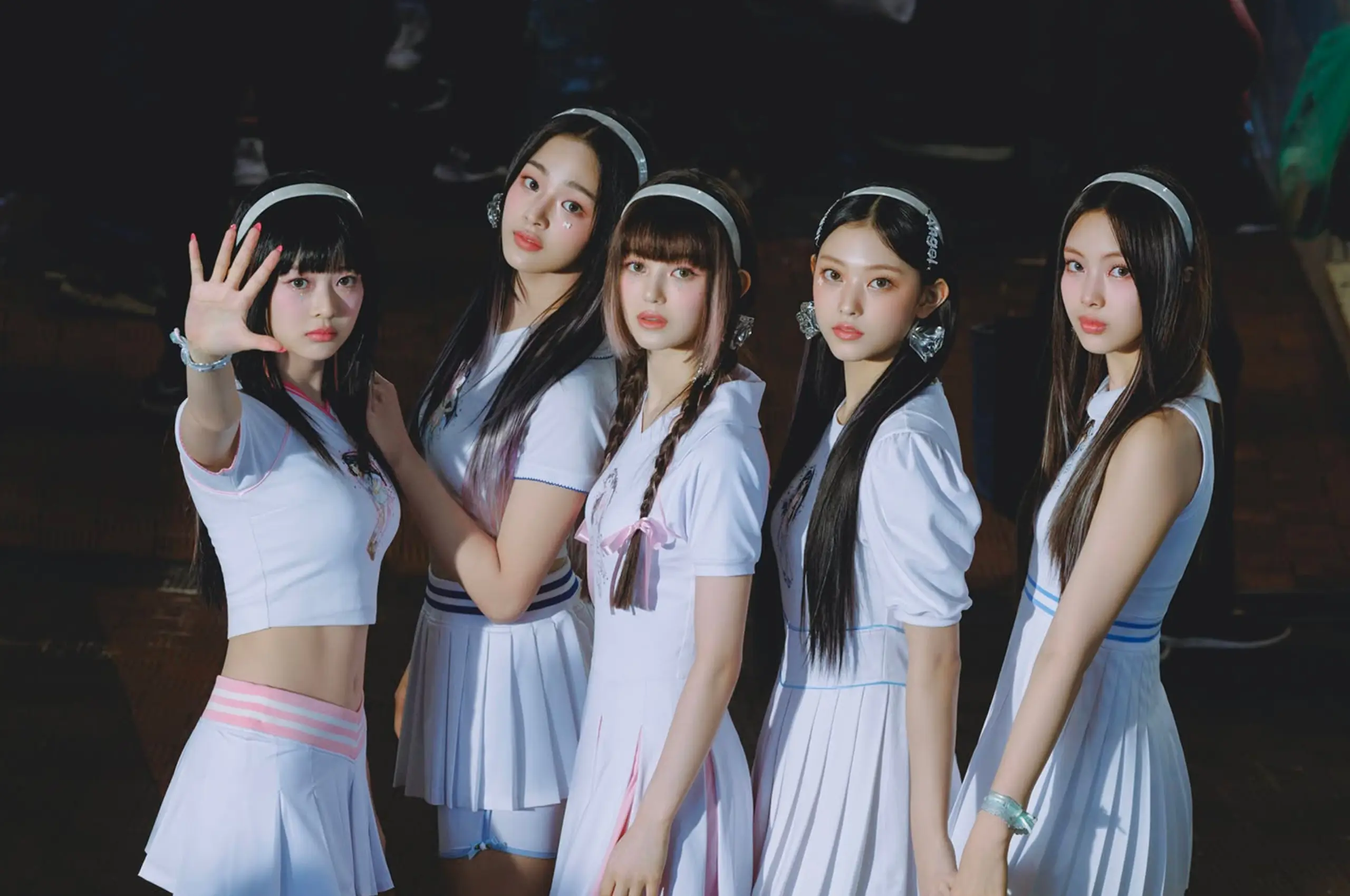
K-popK-popSouth Korean pop music, known for polished production, precise choreography, and highly organized fan communities. With a massive following in the Philippines, K-pop shapes fan culture, concerts, and fashion, andGo to K-pop Glossary girl group NewJeans was only two years into their meteoric rise (and peak) when they were entangled in a legal battle with their label ADOR, under its parent company, HYBE in 2024. However, a newly released report by The New York Times (NYT) revealed that there’s more to the mess beyond the group’s fallout.
Members Kim Minji, Kang Haerin, Hanni Pham, Danielle Marsh, and Lee Hyein, were only between 14 and 17 years old when they entered exclusive agreements with ADOR, ahead of their official debut in 2022. The group, under the creative direction of ADOR’s former CEO Min Heejin, quickly captivated the public with their distinct and unconventional introduction, marked by a surprise debut, lush black long hair, and a nostalgic, easy-to-listen Y2K-inspired sound. They were beloved and thriving.
But behind all that glamour, the contract obtained by the NYT exposed the strict, predatory contractual provisions imposed by the label, leaving the minors with limited protection. While the South Korean entertainment industry generally has a standard contract template to establish safeguards for idols, HYBE and ADOR reportedly stripped away most of its safety clauses.
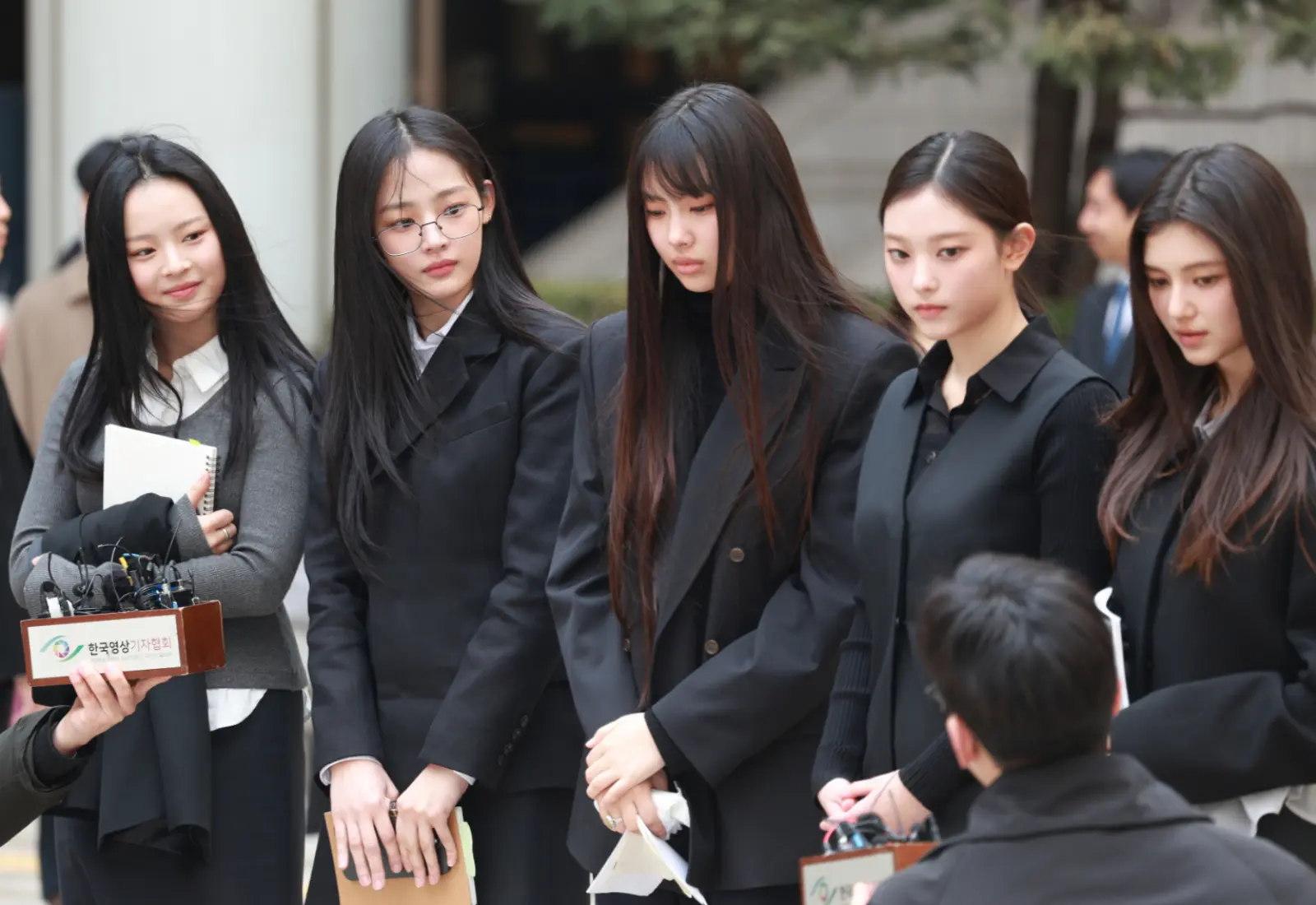
According to NYT, the girls were prohibited from having an “insincere attitude,” entering “inappropriate romantic relationships” (a restriction very common in the industry), or criticizing their record labels. Here are more of the most troubling details revealed from the contract.
Rights to Sleep, Health, Education Omitted
One of the template’s protection clauses, which states that “the ‘Agency’ shall guarantee the basic human rights of popular culture and arts performers who are minors, including their physical and mental health, right to education, personality rights, and rights to sleep, rest, and free choice,” was removed from the contract.
Yes, the provisions for child protection (like limits on long working hours) were mostly omitted. This would make it difficult for the artists to challenge their working conditions, no matter how arduous, according to the NYT. HYBE representatives, in contrast, maintained that the company complies with child-protection laws and ensures a safe environment for its performers.
AI-generated NewJeans?
In the standard contract template, entertainment labels are only permitted to utilize their signed idols’ images and voices until the contracts expire. For NewJeans’ contract, though, it states that ADOR has the right to use (or basically exploit) the members’ likenesses, voices, and images indefinitely, and even after the deal expires in 2029. They can still be paid, though it no longer warrants their control over their images, which the label has the right to license or use for the creation of AI-generated voice clones and chatbots.
‘Essentially non-negotiable’
Jong-oen Roh, one of the lawyers that the NYT tapped for review, said that NewJeans’ contract constrains a restriction to the artists’ freedom that are rarely seen even in major-label ones. “The contract is unusually restrictive,” he described. As investigated by NYT, the contract was mainly non-negotiable, and even when one parent tried to request changes, ADOR’s vice president shut it down.
Four members — Haerin, Hyein, Hanni, and Minji — returned to ADOR in late 2025 after the Seoul Central District Court ruled in favor of the label, reinstating that the contract until 2029 is legally binding. Meanwhile, Marsh was kicked out of the group for allegedly breaching parts of the contract by engaging in unauthorized solo or independent activities, and is now facing an approximately $22-million lawsuit against her and her family.
FREQUENTLY ASKED QUESTIONS
According to the NYT, it bans an “insincere attitude,” “inappropriate romantic relationships,” and criticizing the label, removes most child-protection clauses, and grants ADOR indefinite rights to members’ likenesses and voices.
The NYT reported that a standard clause guaranteeing minors’ physical and mental health, education, and rights to sleep, rest, and free choice was removed, and working-hour limits were mostly voided.
Yes. The contract lets ADOR use and license members’ likenesses and voices indefinitely, including for AI voice clones and chatbots, even after the deal expires in 2029.
The Seoul Central District Court sided with ADOR, upholding the contract until 2029. Four members returned in late 2025, while Danielle Marsh was removed and faces a roughly $22-million lawsuit.
HYBE and ADOR reportedly removed most safeguards from South Korea’s standard idol contract template. Lawyer Jong-oen Roh called the contract unusually restrictive, while HYBE says it complies with child-protection laws.
Recommended Video