



It only took seven minutes for a band of jewel thieves to rob the Louvre in Paris, France.
On October 19, at 9:30 a.m. local time, four unidentified assailants used a nearby construction site’s mechanical lift to gain access to the museum’s Galerie d’Apollon, entering through a balcony window. The group cut through the glass panes using a battery-powered disc cutter, threatened the guards, and quickly stole items from the nearby display cases.
A tour guide told CNN he had heard “stomping” on the windows, right before being told by security to immediately evacuate. The French interior ministry confirmed that members of the public had been evacuated without incident.
While the investigation into the robbery is still ongoing, it has been confirmed that nine items were taken from the gallery, which houses the French crown jewels. The collection is comprised of pieces once owned by Emperor Napoleon Bonaparte, his nephew Napoleon III, and their wives. One item, the Crown of Empress Eugenie, was later found damaged outside of the Louvre, most likely abandoned by the thieves in their escape. The crown features 1,354 diamonds and 56 emeralds, and is worth “several tens of millions of euros,” said Alexandre Giquello, president of the Drouot auction house. “And, it’s not, in my opinion, the most important item,” Giquello told TIME.
The thieves were then seen fleeing the museum on two Yamaha TMax scooters.
Not the First Time
Although the jewelry heist is currently making international headlines, this is not the first time that the Louvre has been robbed.
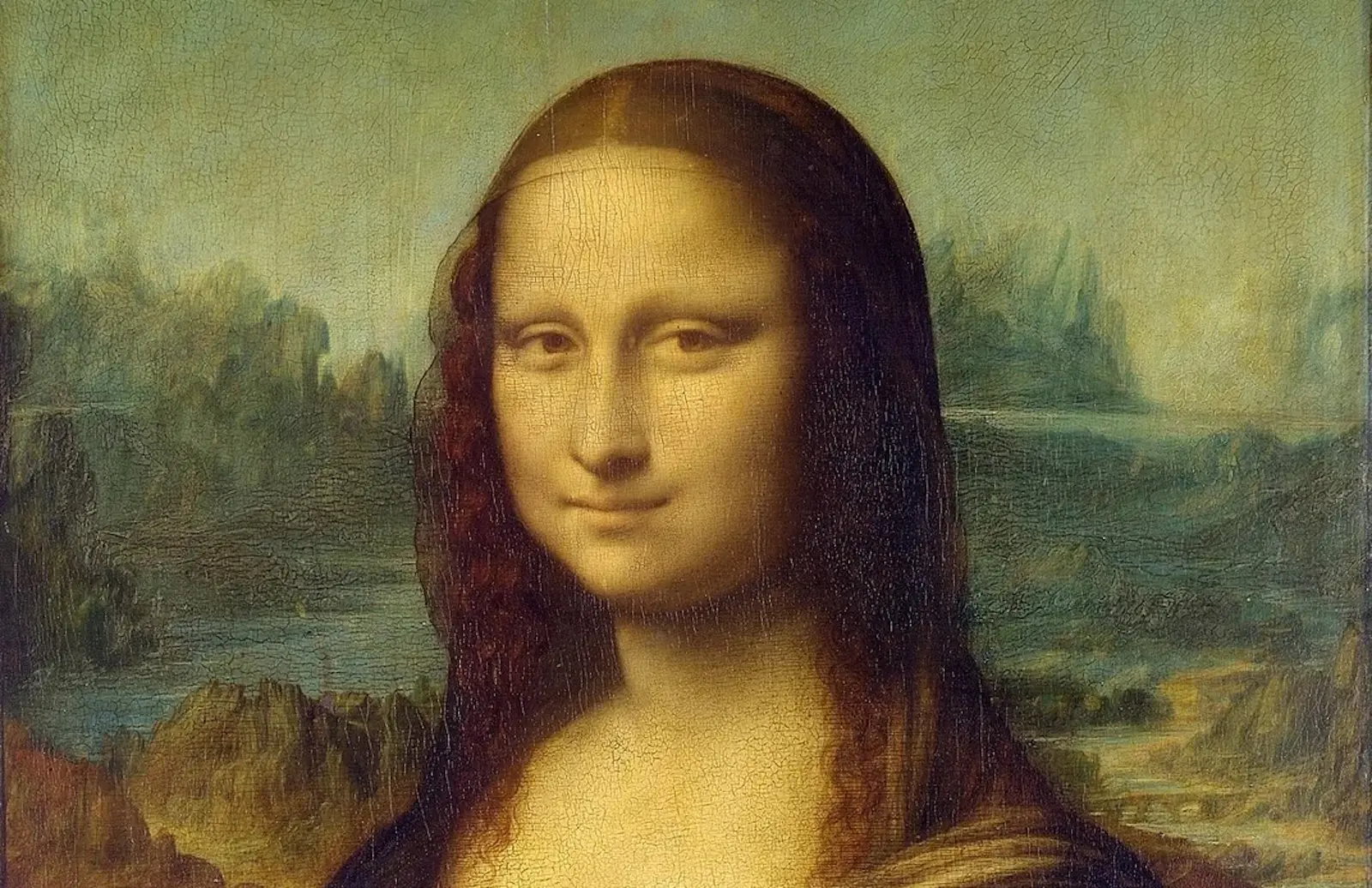
According to National Geographic, one of the most infamous of these cases was the theft of the “Mona Lisa,” now arguably one of the Louvre’s most prized possessions. But in 1911, when the painting was stolen, it was relatively unknown and lacked strict security. Former Louvre worker Vincenzo Peruggia strolled into the Louvre and, upon noticing that the room containing the “Mona Lisa” had no guards, promptly unhooked it from its pegs and walked out with it under his smock.
The Louvre only realized that the “Mona Lisa” was missing more than 24 hours later, resulting in a massive manhunt that ended up being a failure. Multiple suspects were questioned, including Pablo Picasso who, although not connected to this specific heist, was discovered to have purchased a pair of Iberian statue heads stolen from the museum a few years earlier.
The “Mona Lisa” was eventually recovered in 1913, when Peruggia was caught trying to sell the painting to another museum. The theft and trial was so high-profile that it elevated the “Mona Lisa” to the household name status it enjoys today.
Security Bugs
Security has always been one of the Louvre’s issues, especially with its history of robberies conducted in broad daylight. While some items were eventually recovered — an antique jewel stolen in transit in 1966 was later found in a grocery bag in New York, others are not so lucky. For instance, a jeweled sword once owned by French King Charles X was stolen by burglars in 1976 and has yet to be recovered. In 1998, a Camille Corot painting was brazenly cut from its frame and has yet to surface.
However, in recent years, the Louvre has made more of a conscious effort to bolster its security. Earlier this year, Louvre officials requested help from the French government to renovate its aging exhibition halls in order to better protect its works of art.
“For 40 years, there was little focus on securing these major museums, and two years ago, the president of the Louvre requested a security audit from the police prefect. Why? Because museums must adapt to new forms of crime,” Culture Minister Rachida Dati told Reuters. “Today, it’s organized crime – professionals.”
Recommended Video